The Lost Tibetan Kingdom

Upper Mustang, Nepal · Photographs by Taylor Weidman

Hidden in the rain shadow of the Himalaya in one of the most remote corners of Nepal lies Mustang, or the former Kingdom of Lo. Hemmed in by the world's highest mountain range to the south and an occupied and shuttered Tibet to the north, this tiny Tibetan kingdom has remained virtually unchanged since the 15th century. Today, Mustang is arguably the best-preserved example of traditional Tibetan life left in the world.
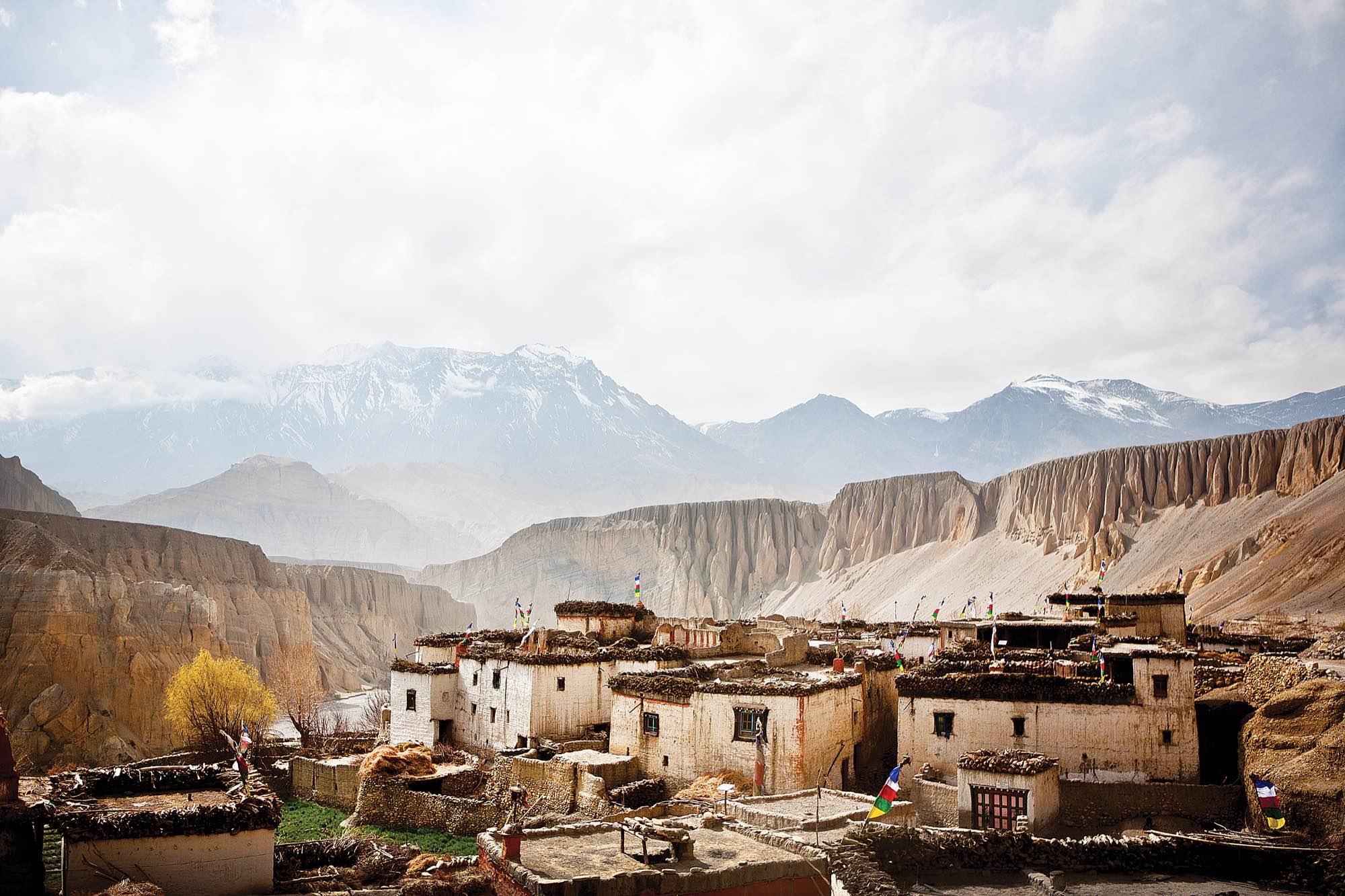
The village of Tangge stands on the edge of a Kali Gandaki tributary.
The village of Tangge stands on the edge of a Kali Gandaki tributary. Buildings are packed tightly together to help protect the residents from the strong winds that pick up each afternoon.
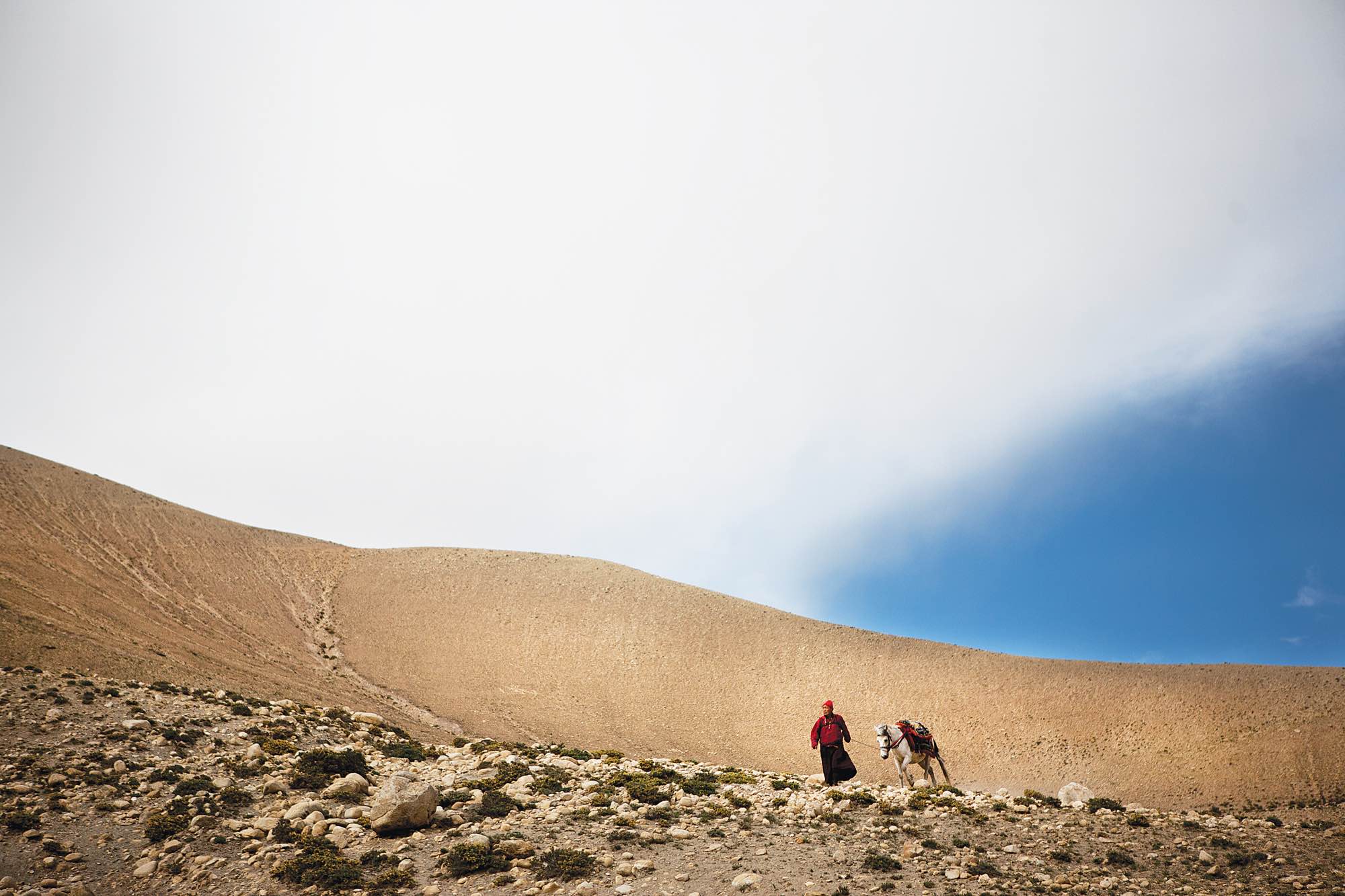
A monk leads a horse between the towns of Ghemi and Dhakmar.
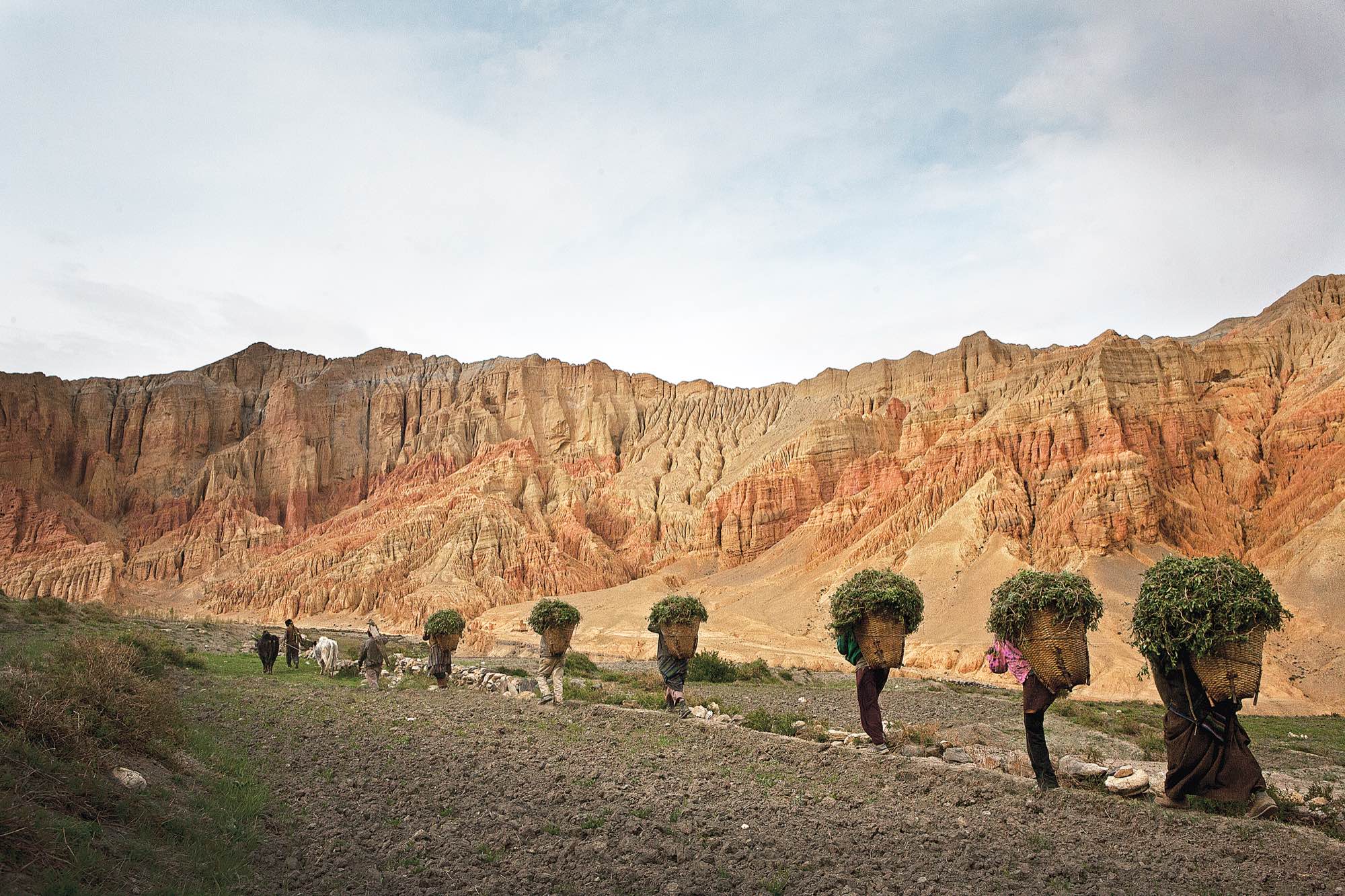
Dhakmar villagers return to the town after a day of working in the fields.
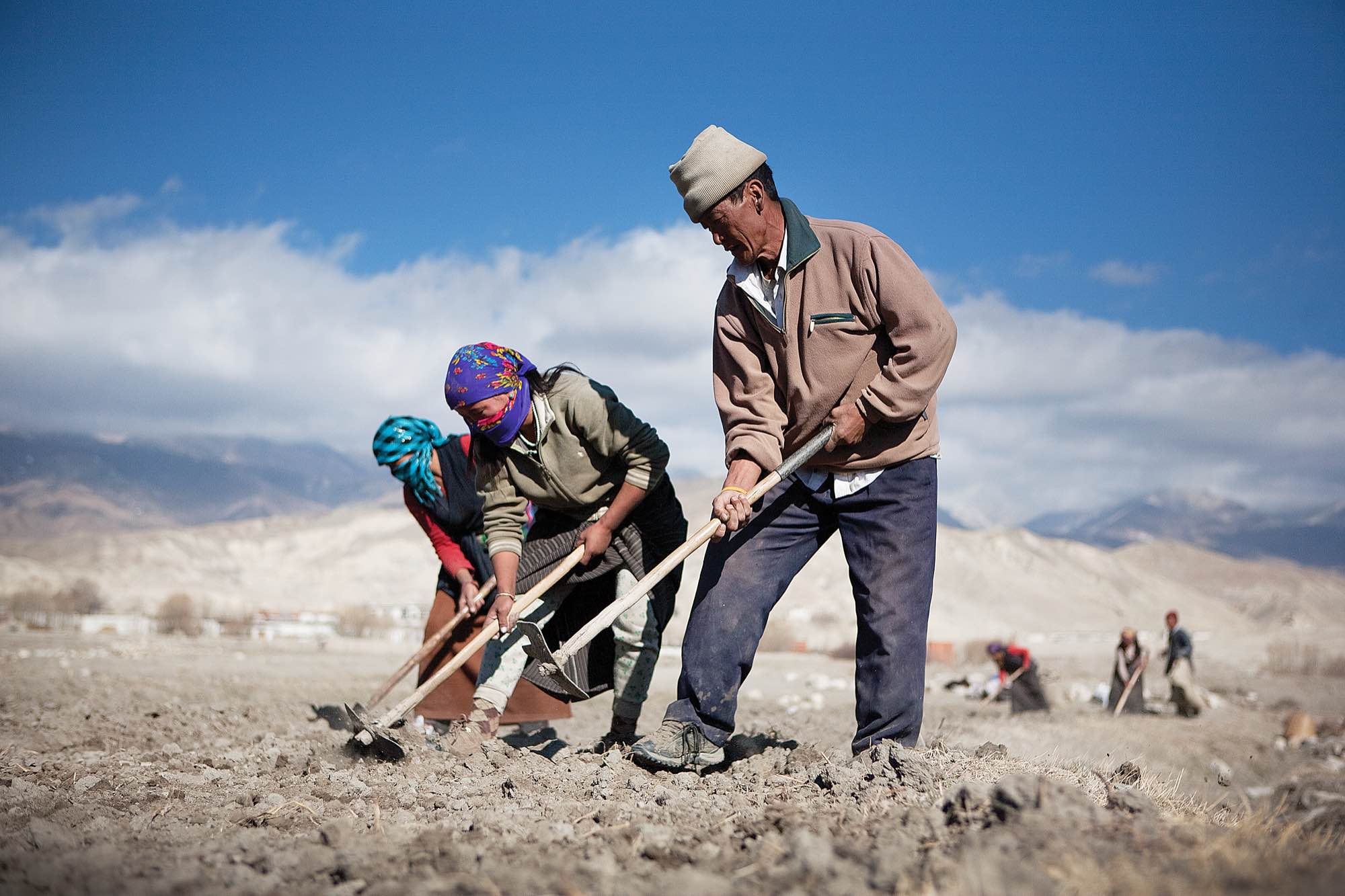
A group of Loba men gather in the fields outside of Lo Manthang during the planting season.
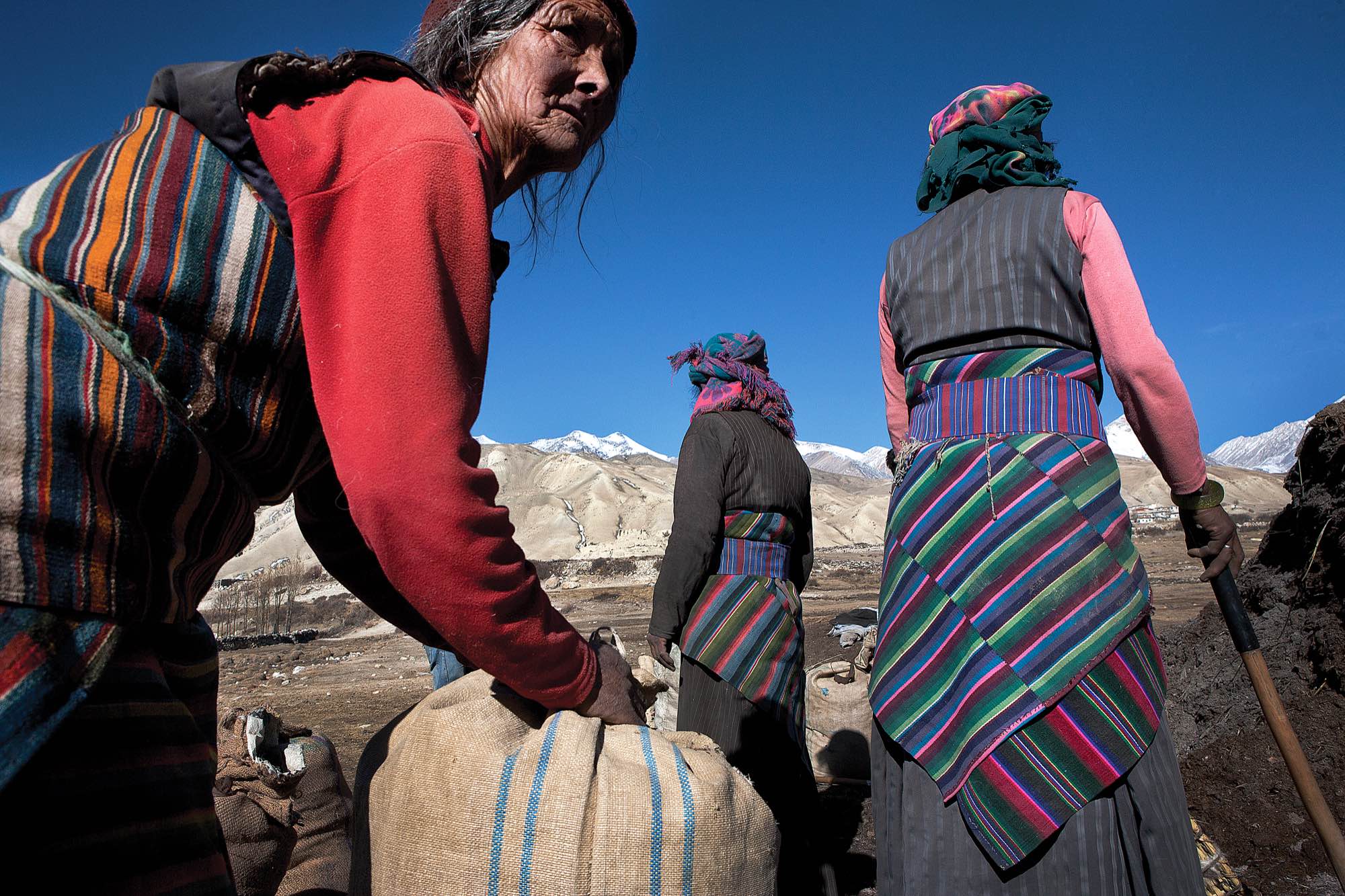
Villagers of Phuwa load bags of fertilizer onto horses to be taken to the fields.
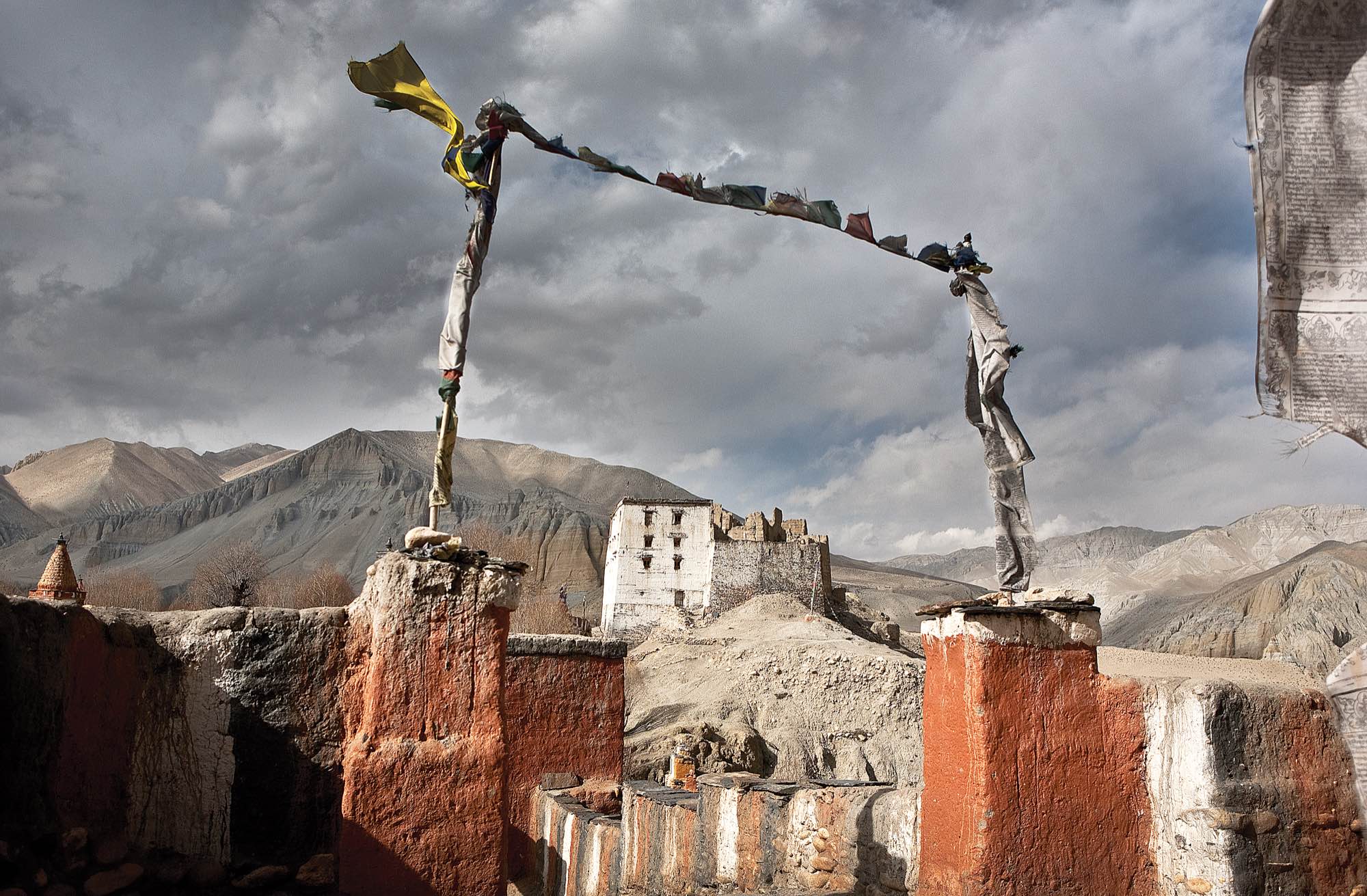
The King's old palace in Tsarang, viewed from the town's monastery.
The King's old palace in Tsarang, viewed from the town's monastery. The palace has not been used in recent years and has begun to fall into disrepair.
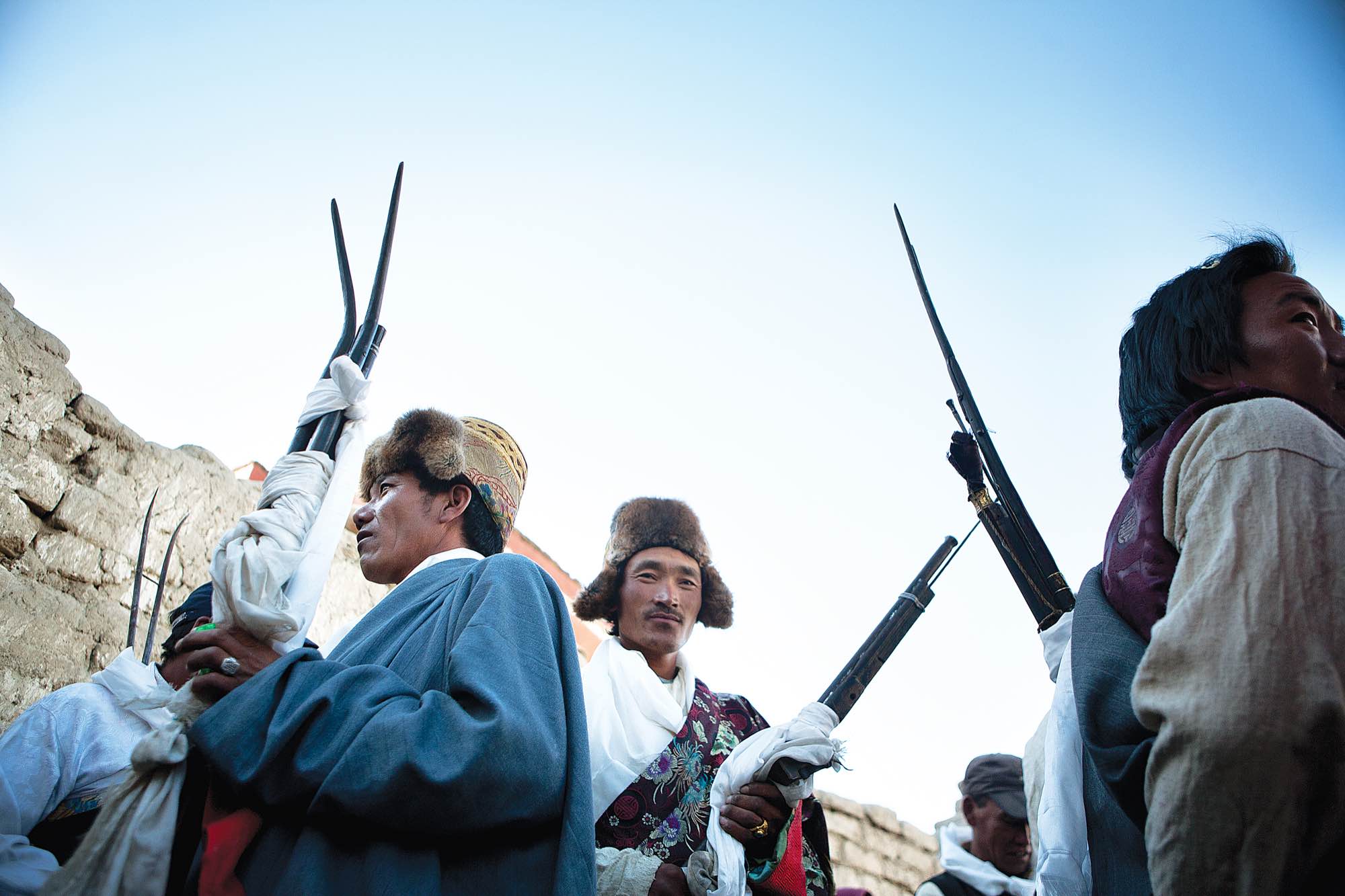
At the end of the Tiji festival, members of the king's court gather with their muskets as they prepare to help chase the demon from the city by shooting…
At the end of the Tiji festival, members of the king's court gather with their muskets as they prepare to help chase the demon from the city by shooting volley after volley.
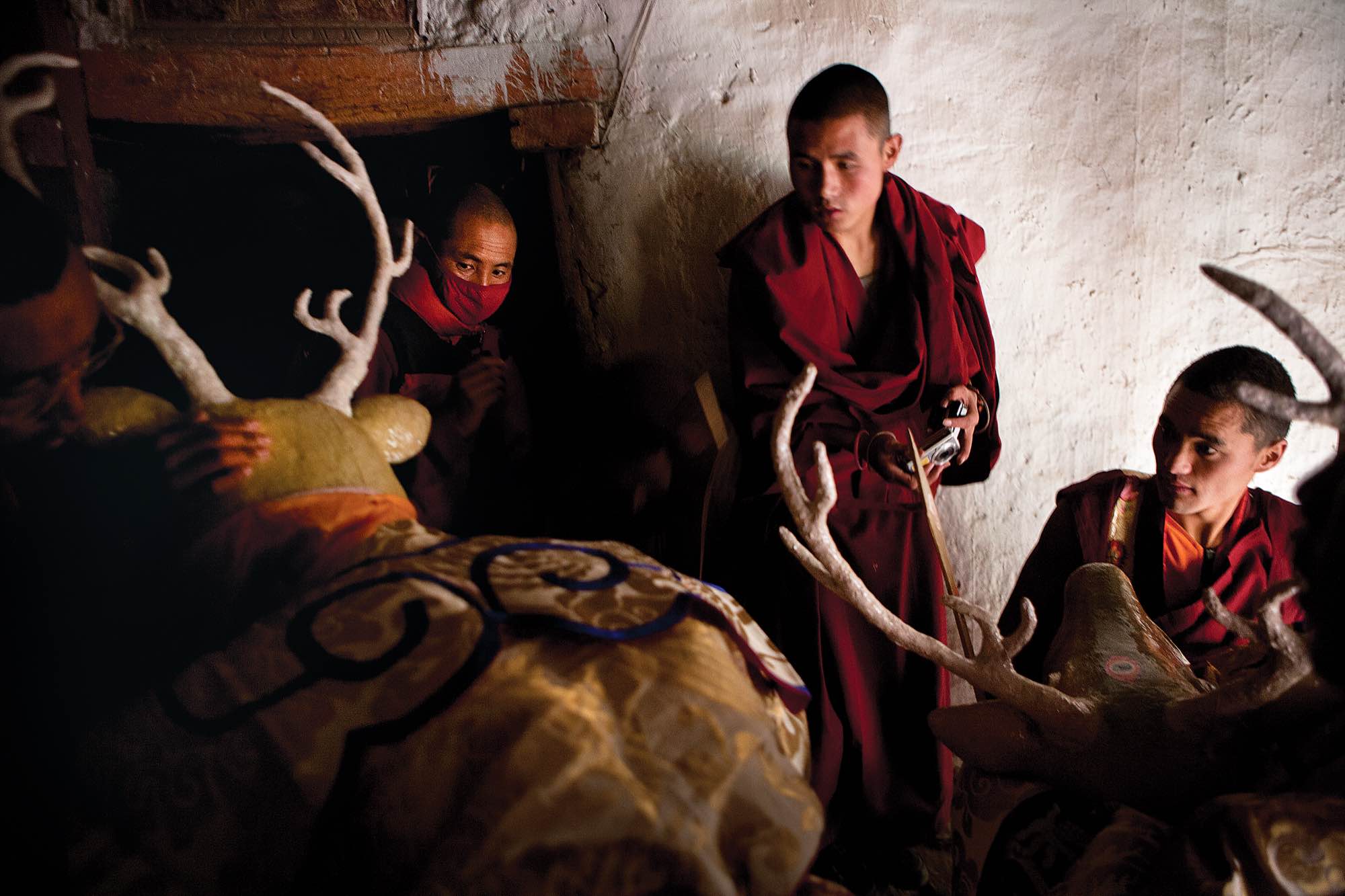
In a staging area inside of the king's palace, a group of monks helps prepare dancers for an upcoming ceremony during the Tiji festival.
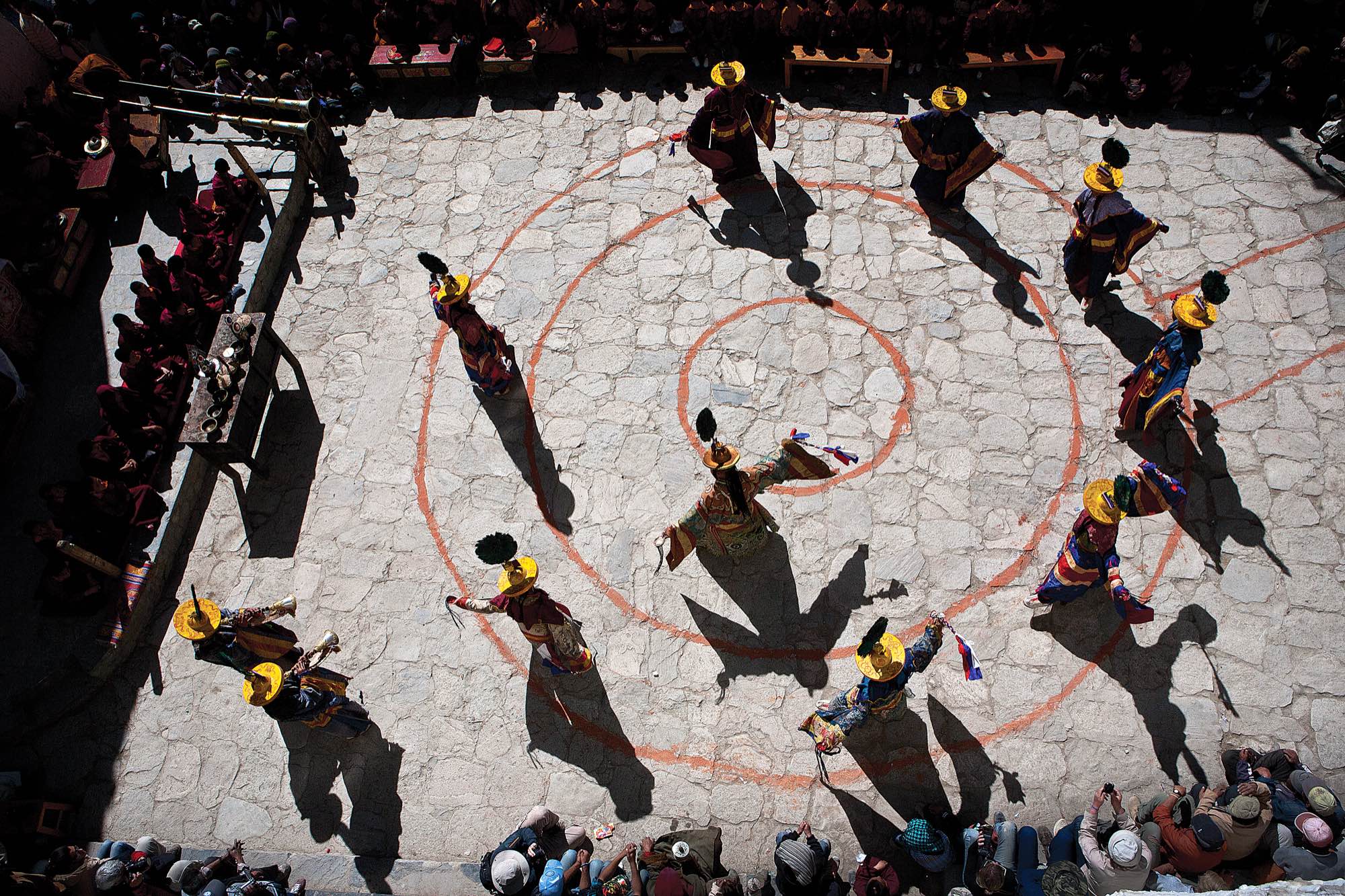
The Tiji Festival, which occurs yearly in the main square of Lo Manthang, features dancers dressed elaborately as animals, demons, and divinities.
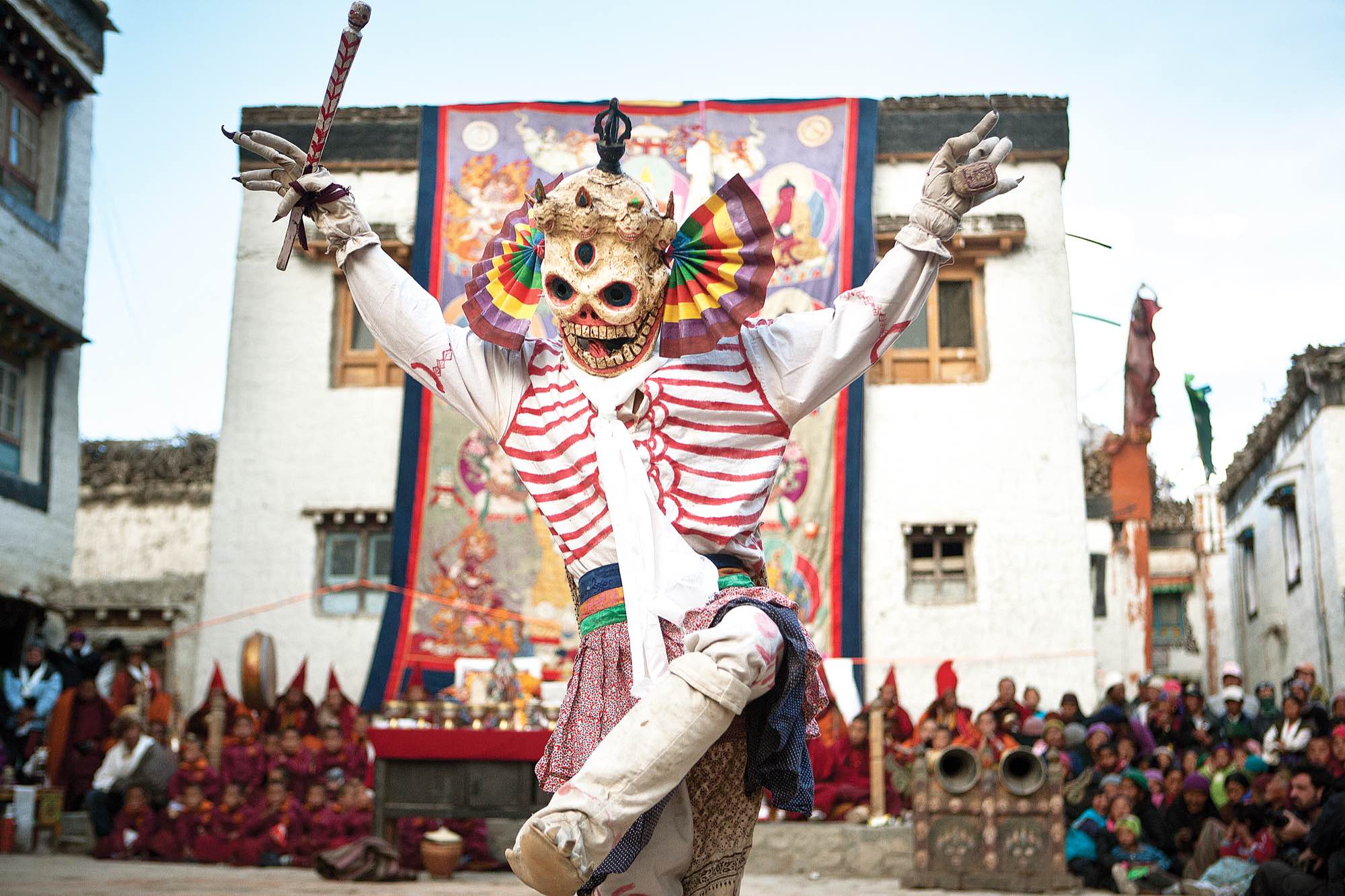
During the three-day spectacle of the Tiji Festival, monks dress as different animals, demons and divinities to enact an epic fight between good and evil.
During the three-day spectacle of the Tiji Festival, monks dress as different animals, demons and divinities to enact an epic fight between good and evil. In the town square of Lo Manthang, a monk dressed as a skeleton performs an ancient dance accompanied by ceremonial Tibetan Buddhist music.
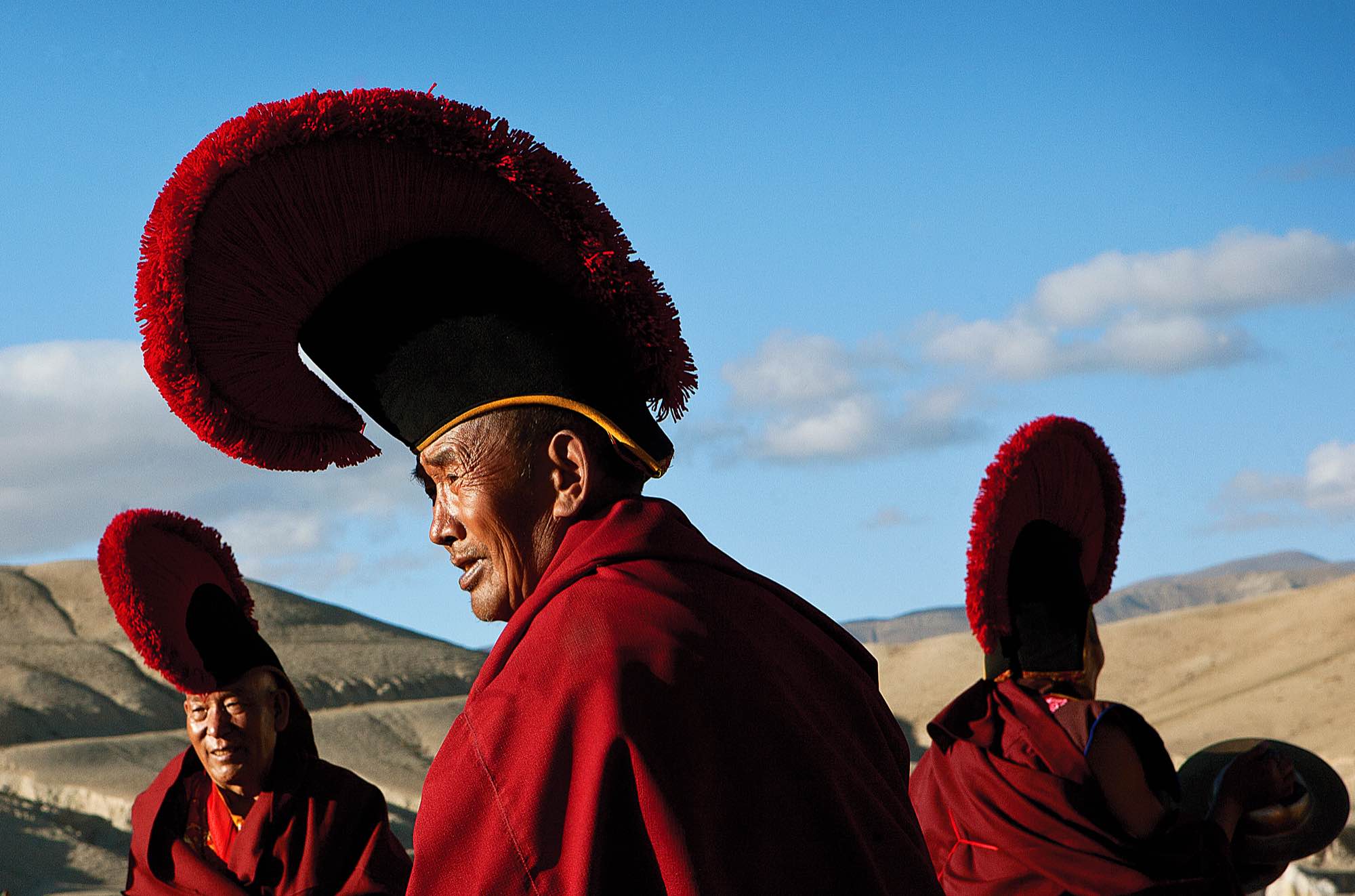
A group of senior monks gather for a ceremony on a field outside of Lo Manthang.
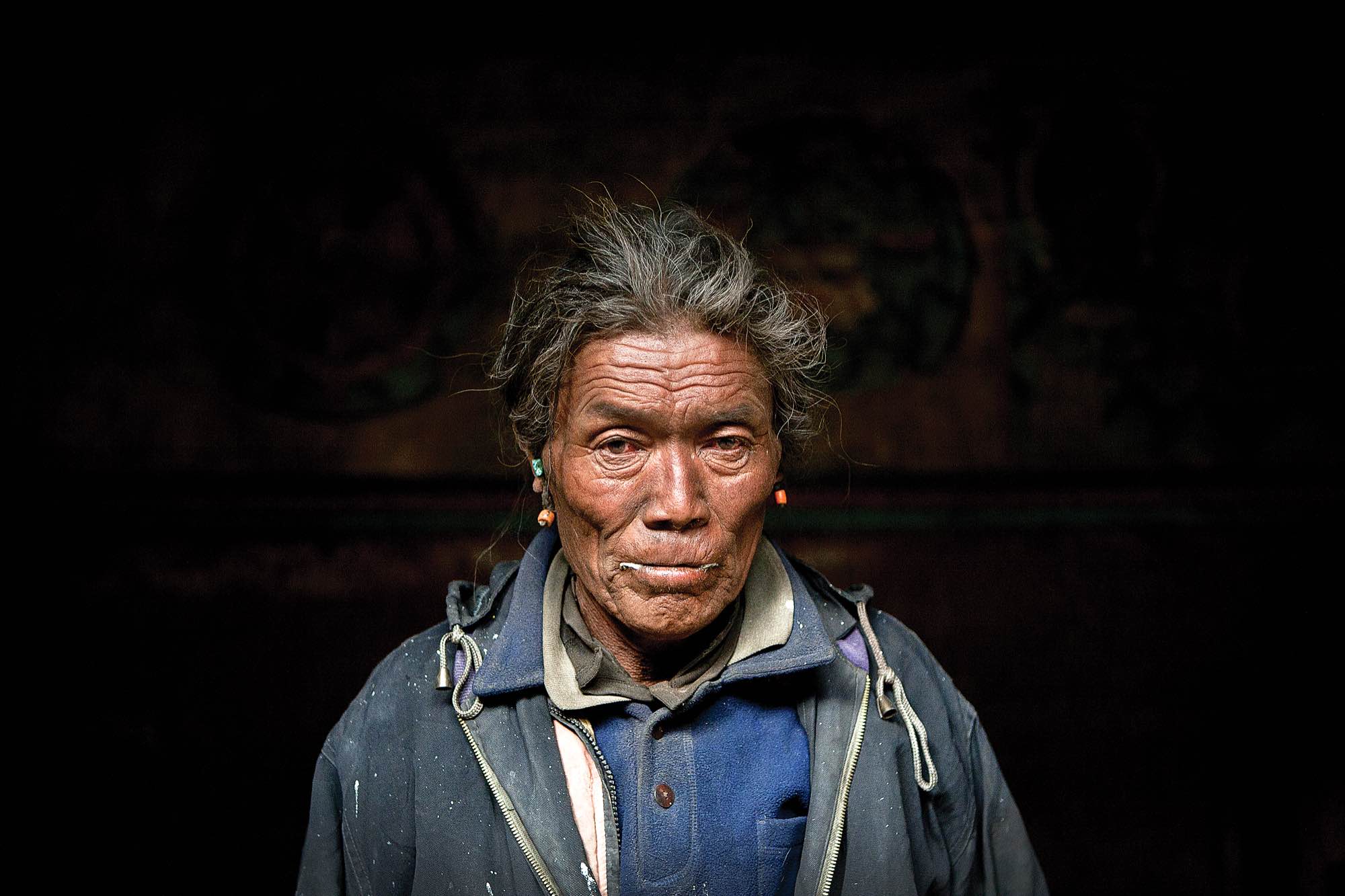
The winter monastery keeper stands for a portrait in the main hall of the monastery in Tetang.
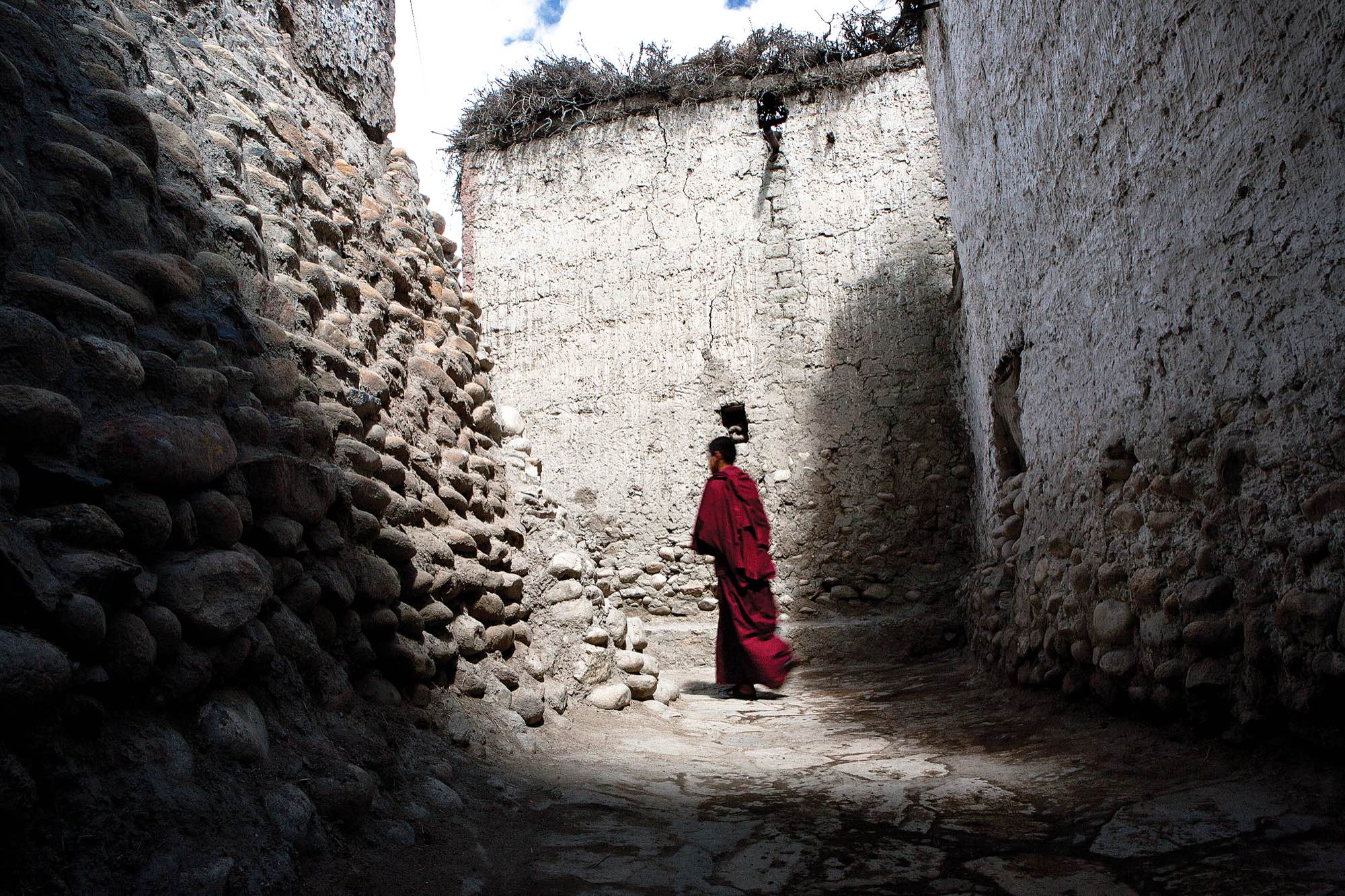
A monk walks through the alleyways of Lo Manthang.
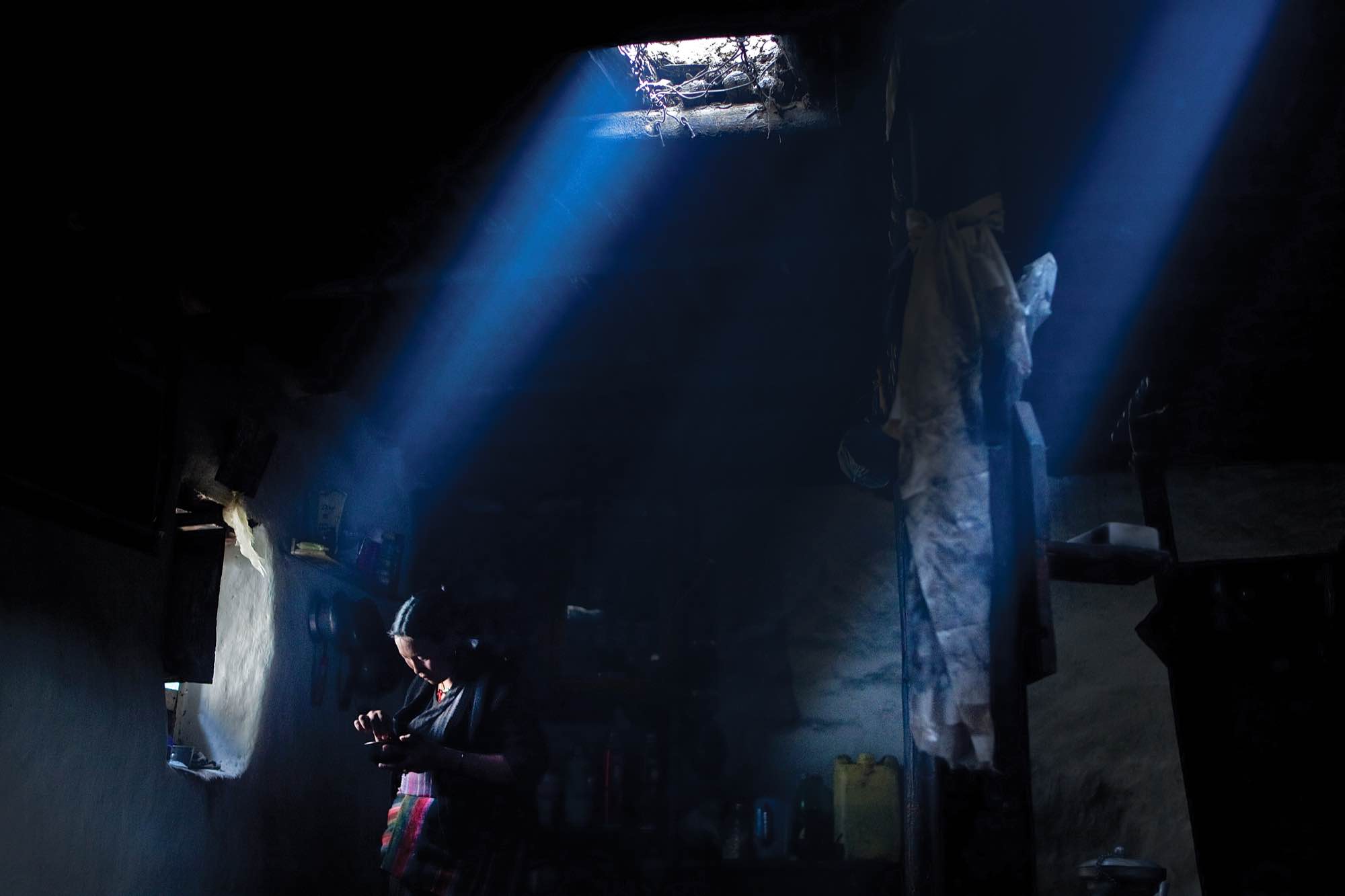
Tashi Dolkar Gurung, a Loba woman, removes gravel from rice near the light of a window in her earthen home in Lo Manthang.
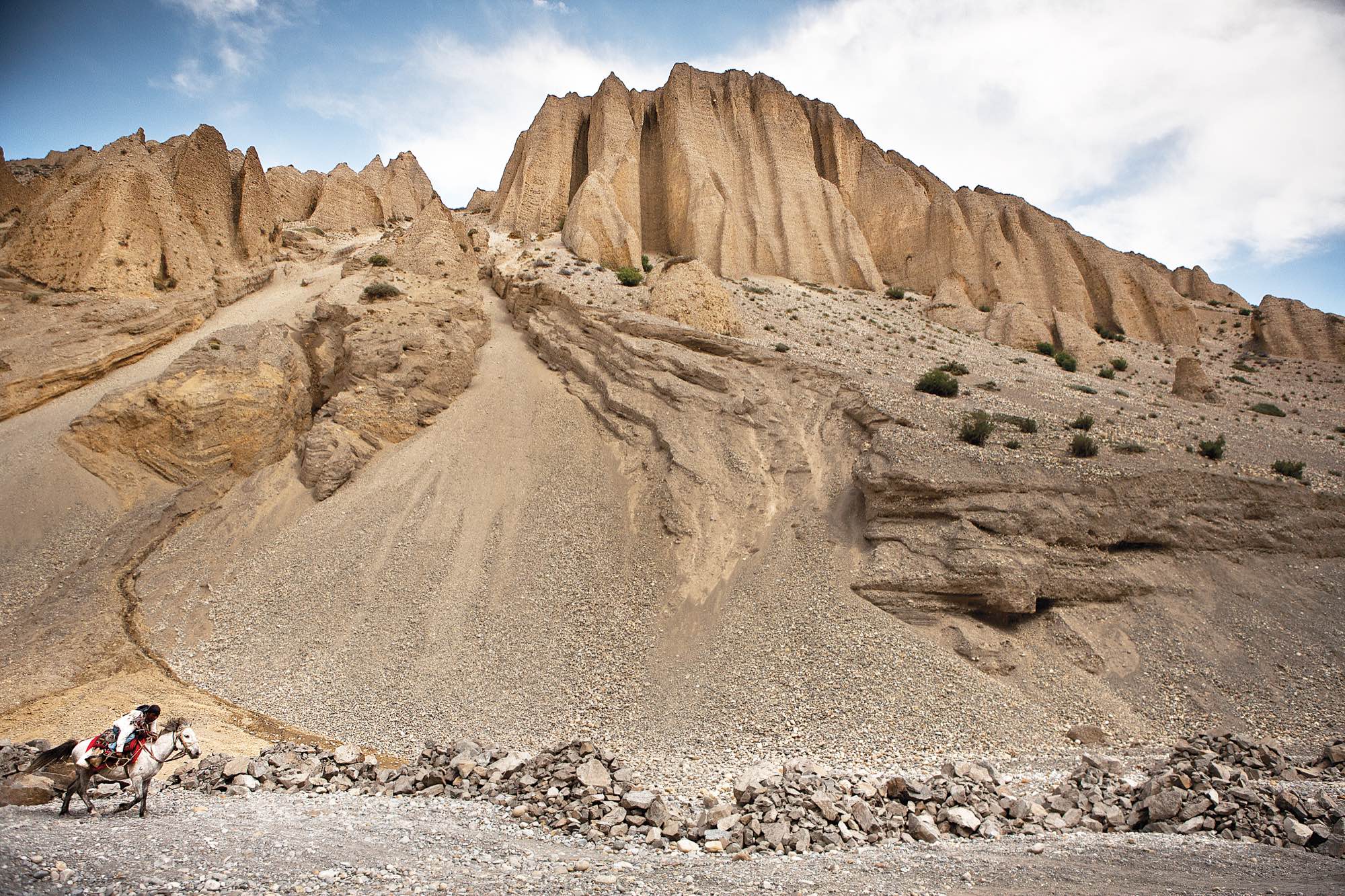
A young man rides his horse down the Kali Gandaki River valley.
A young man rides his horse down the Kali Gandaki River valley. The valley is the main conduit into and out of the region, and historically was an important section of the Salt Route connecting Tibet and India.