Building Belo Monte
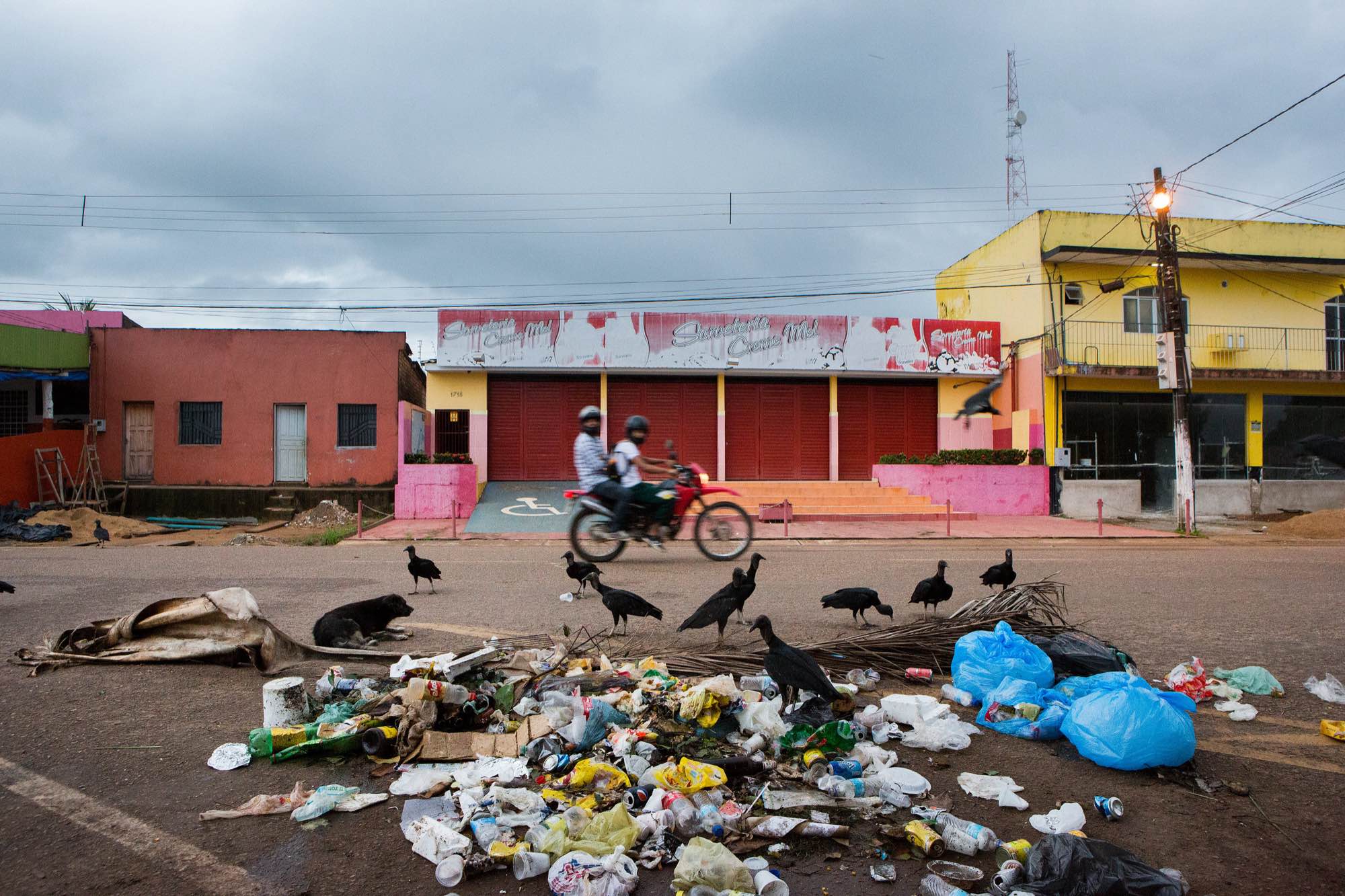
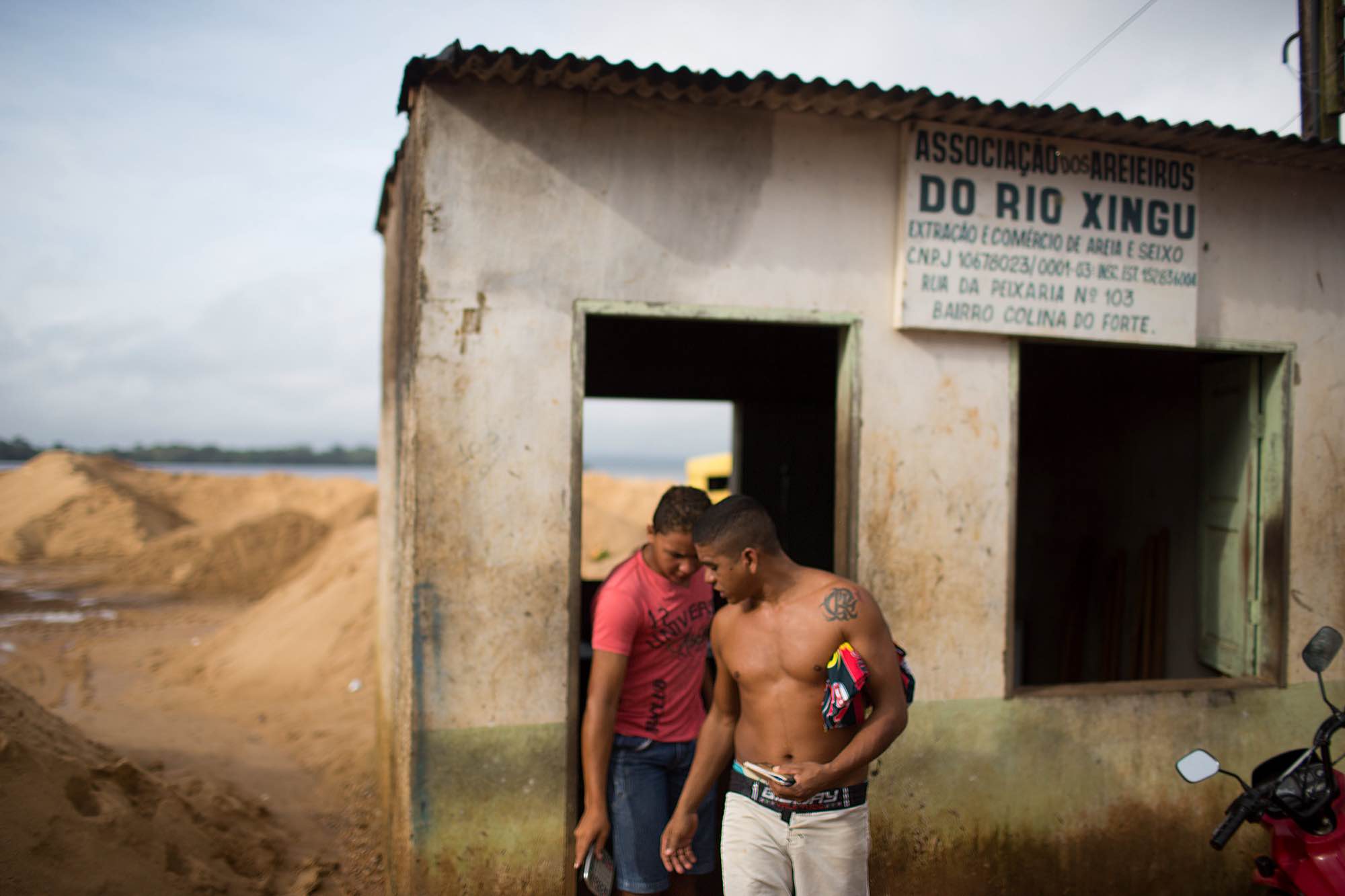
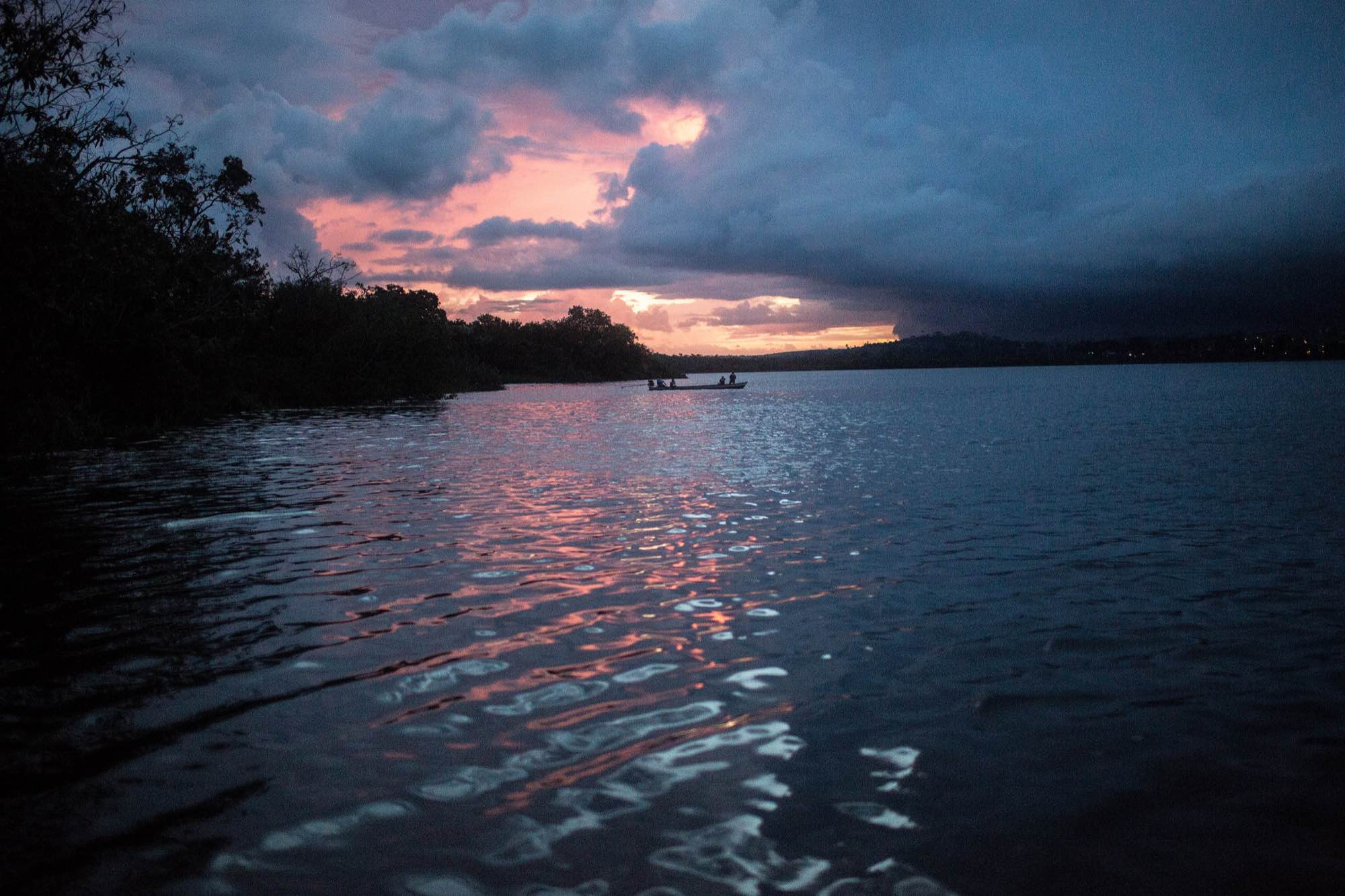
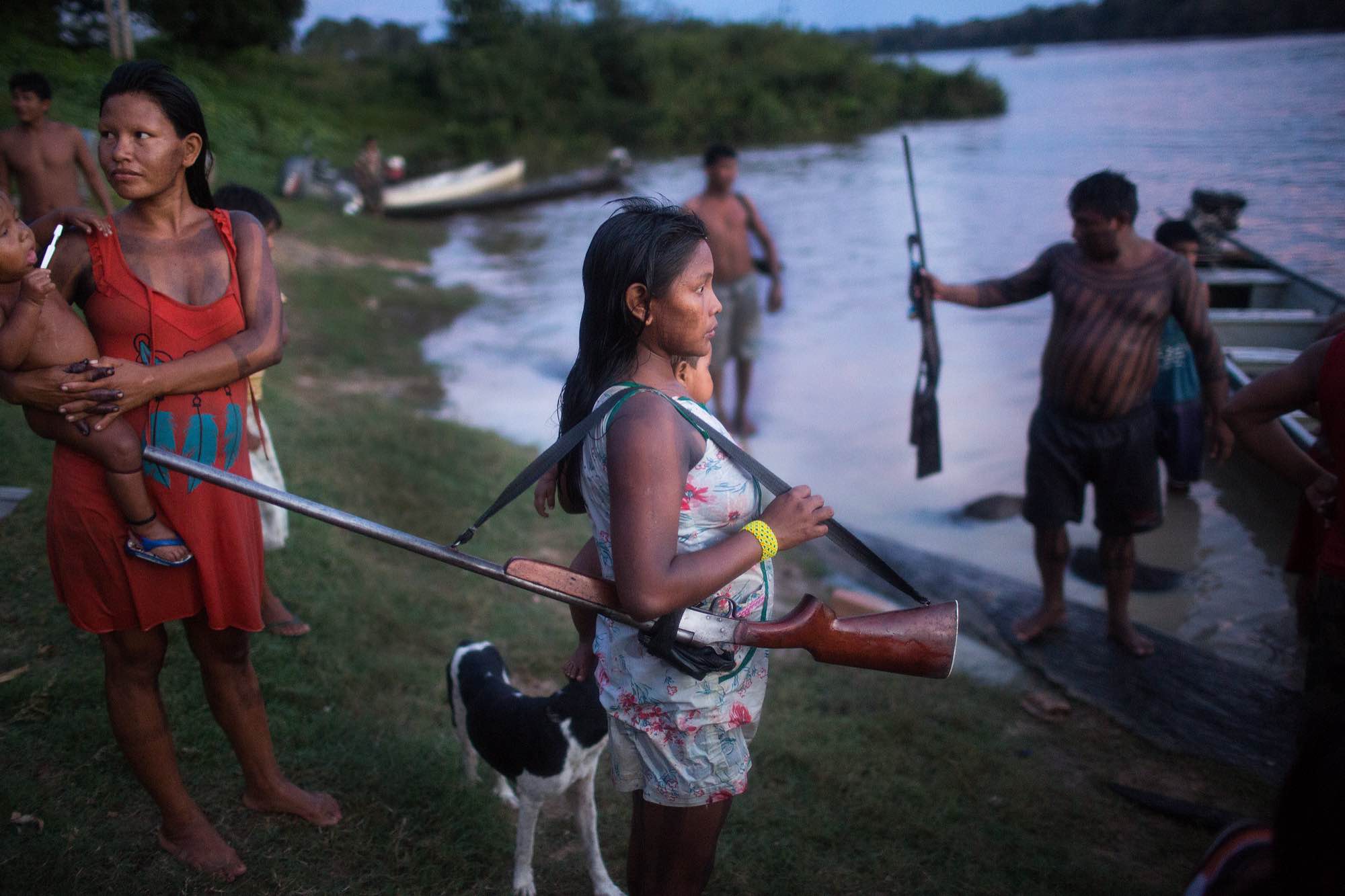
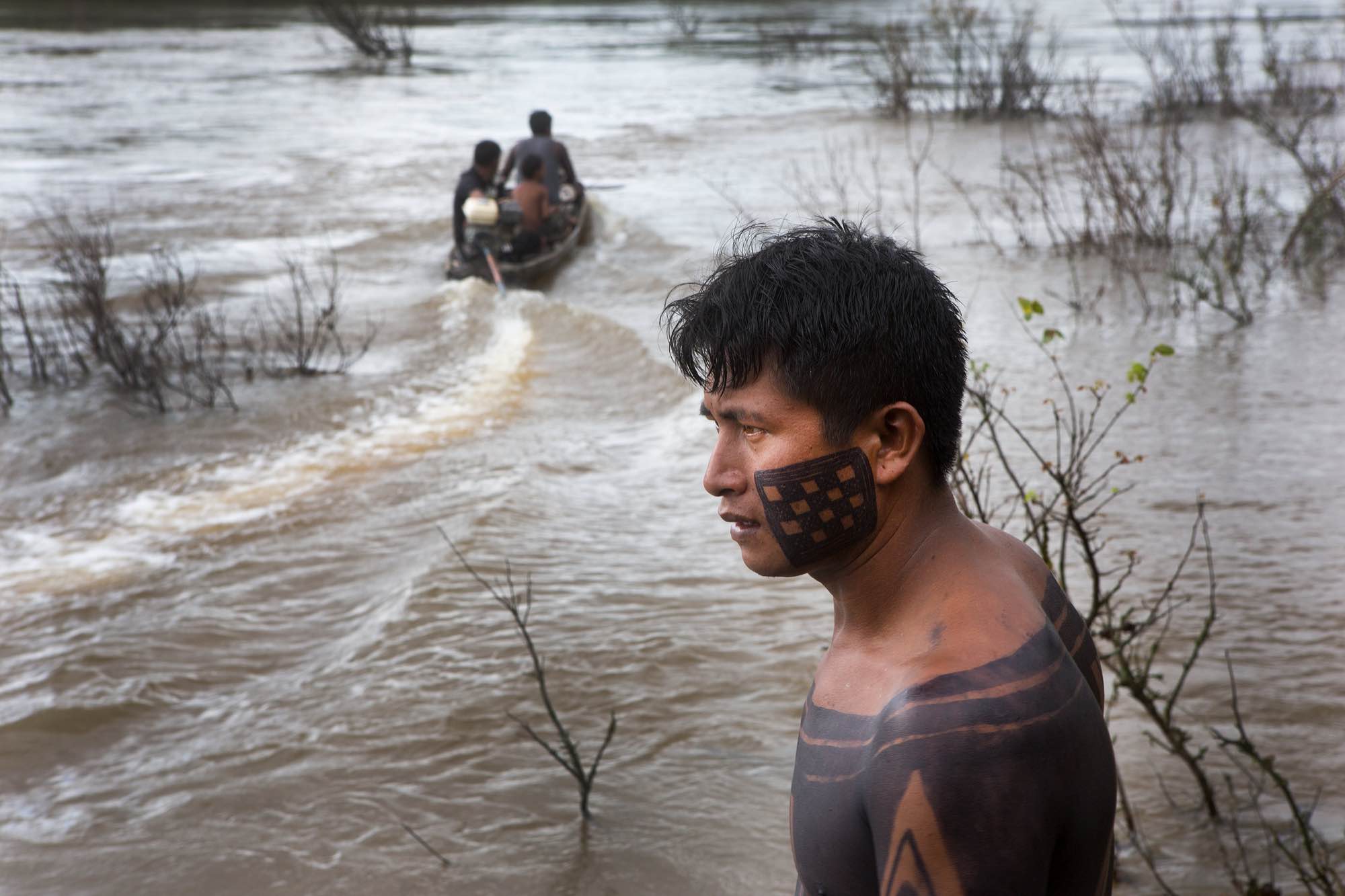
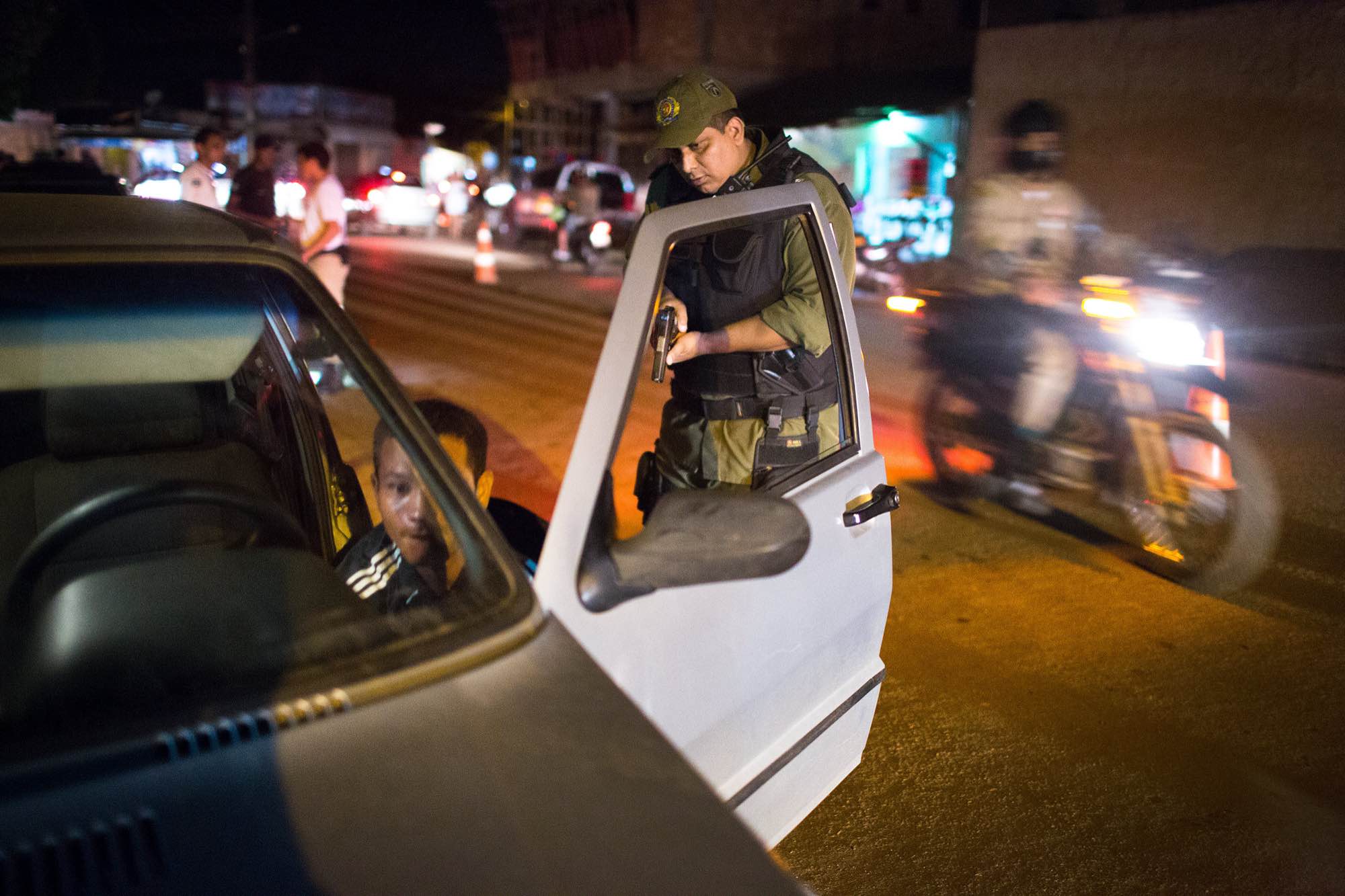
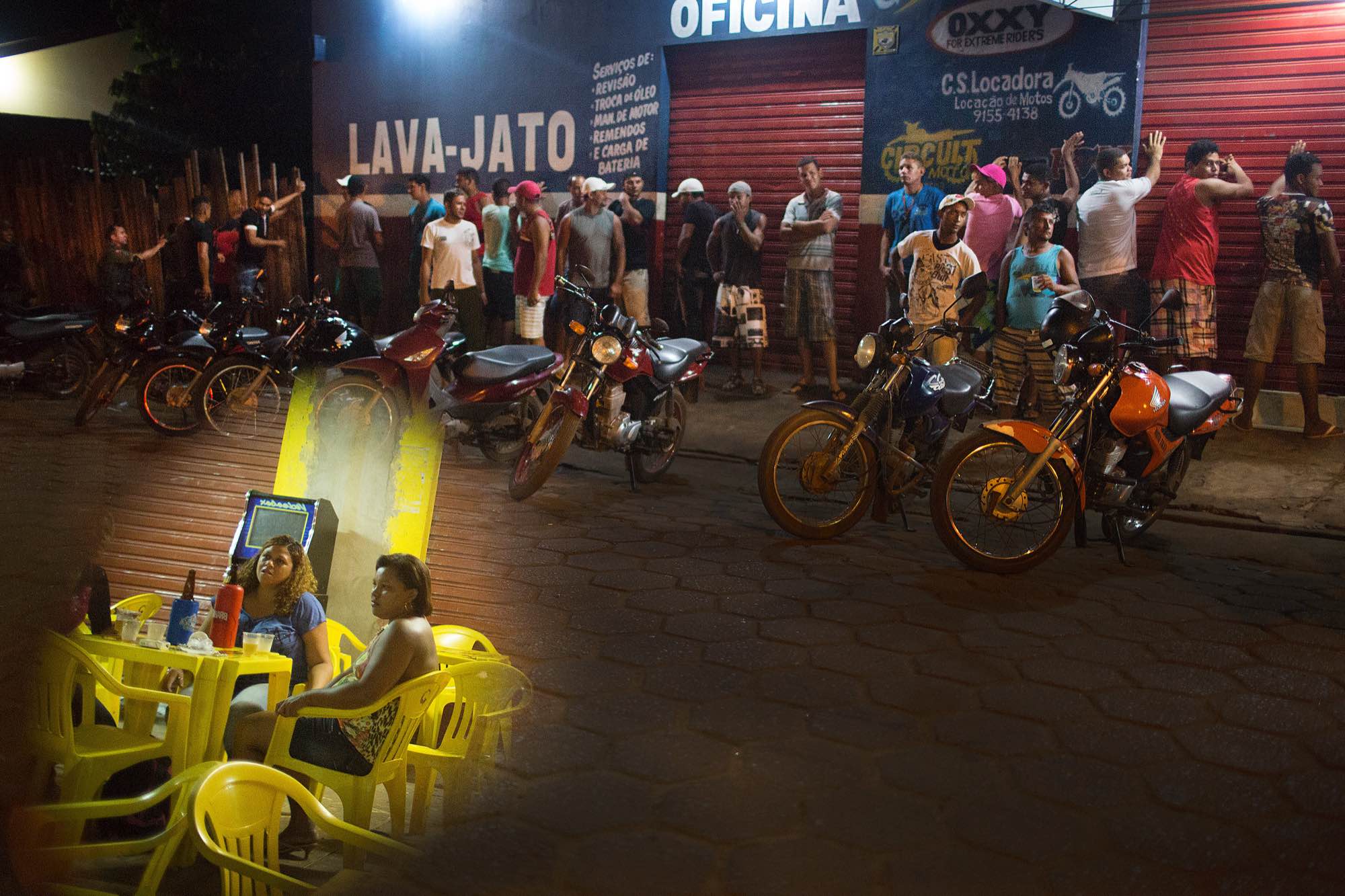
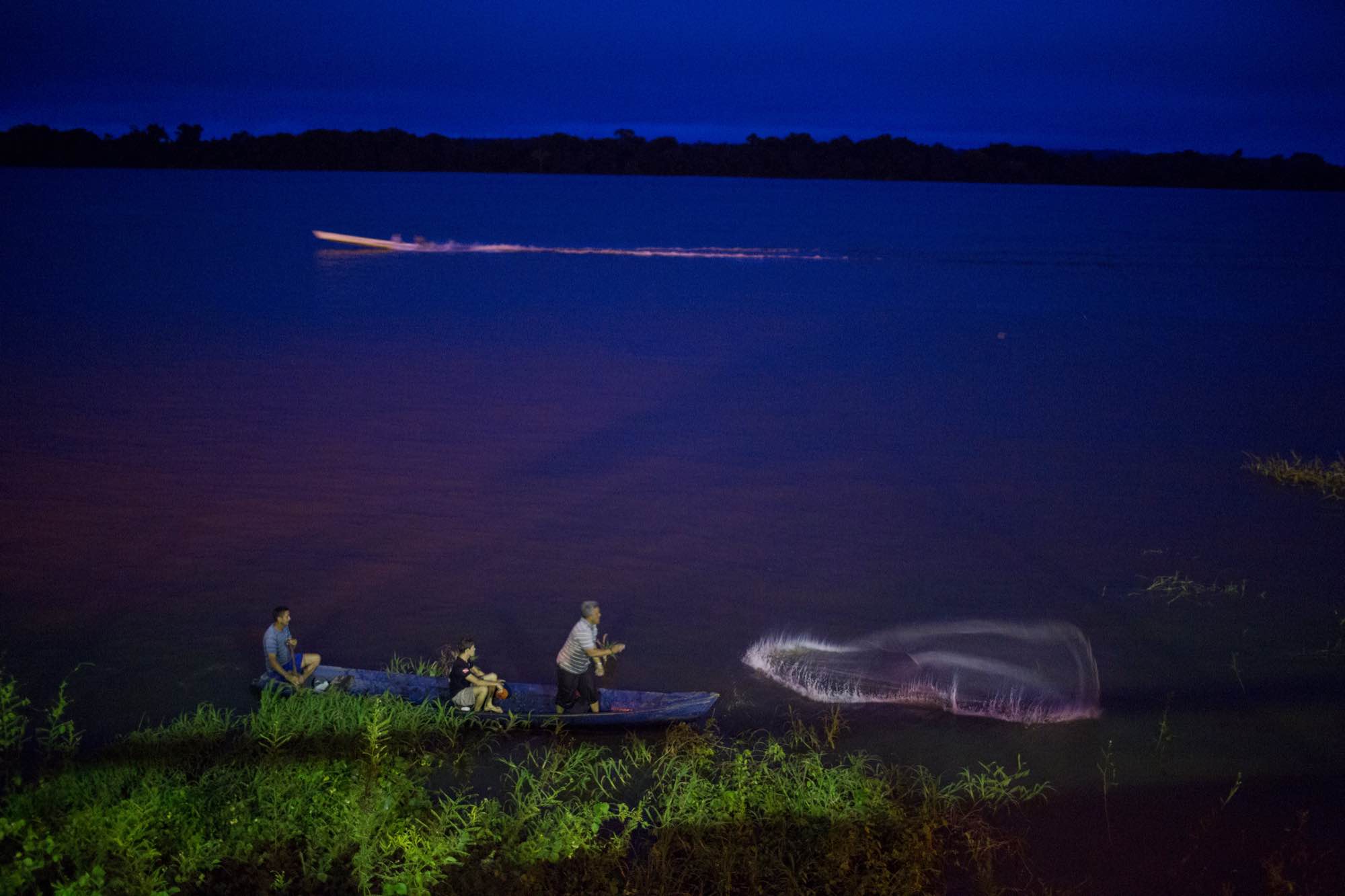
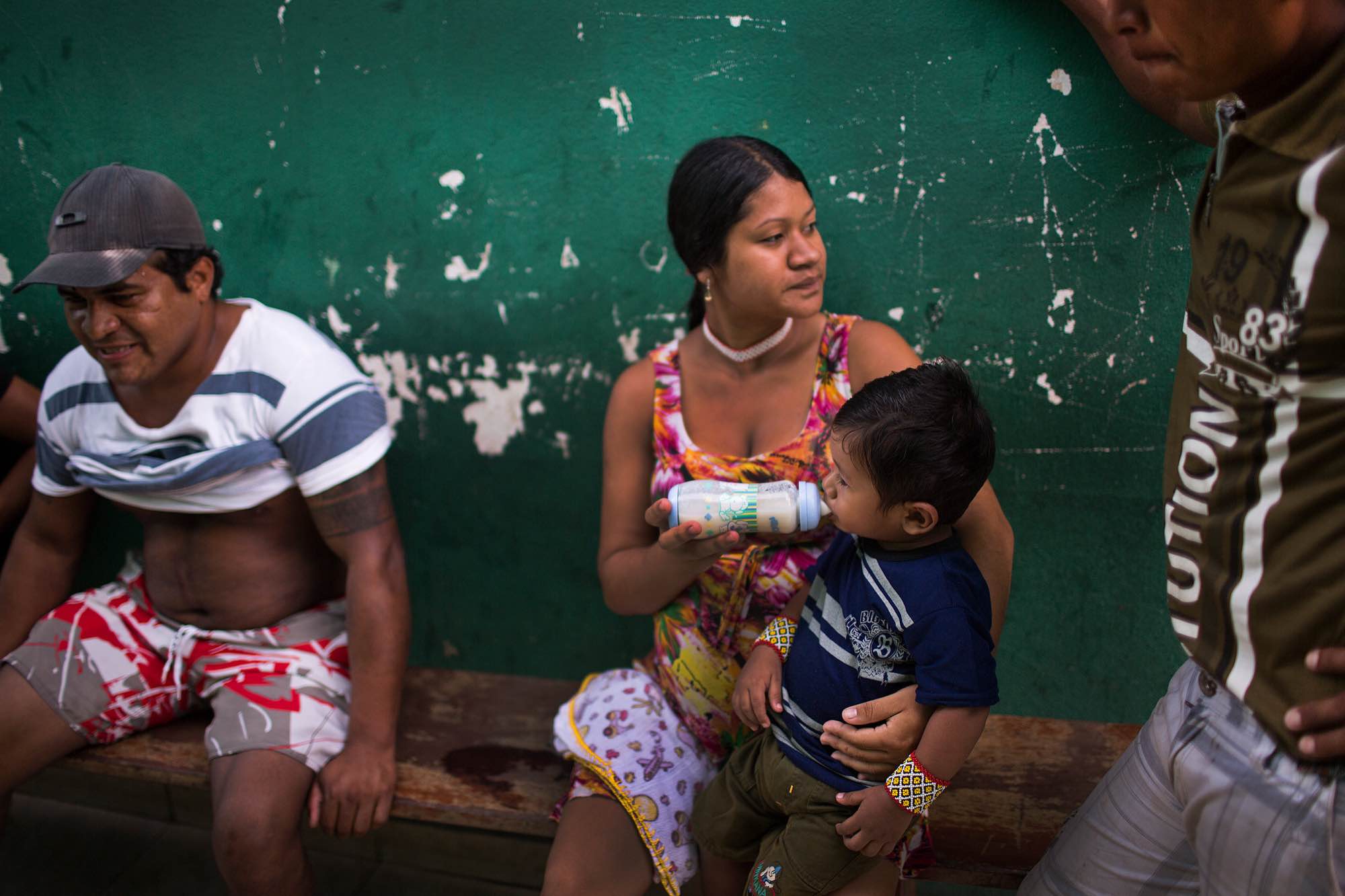
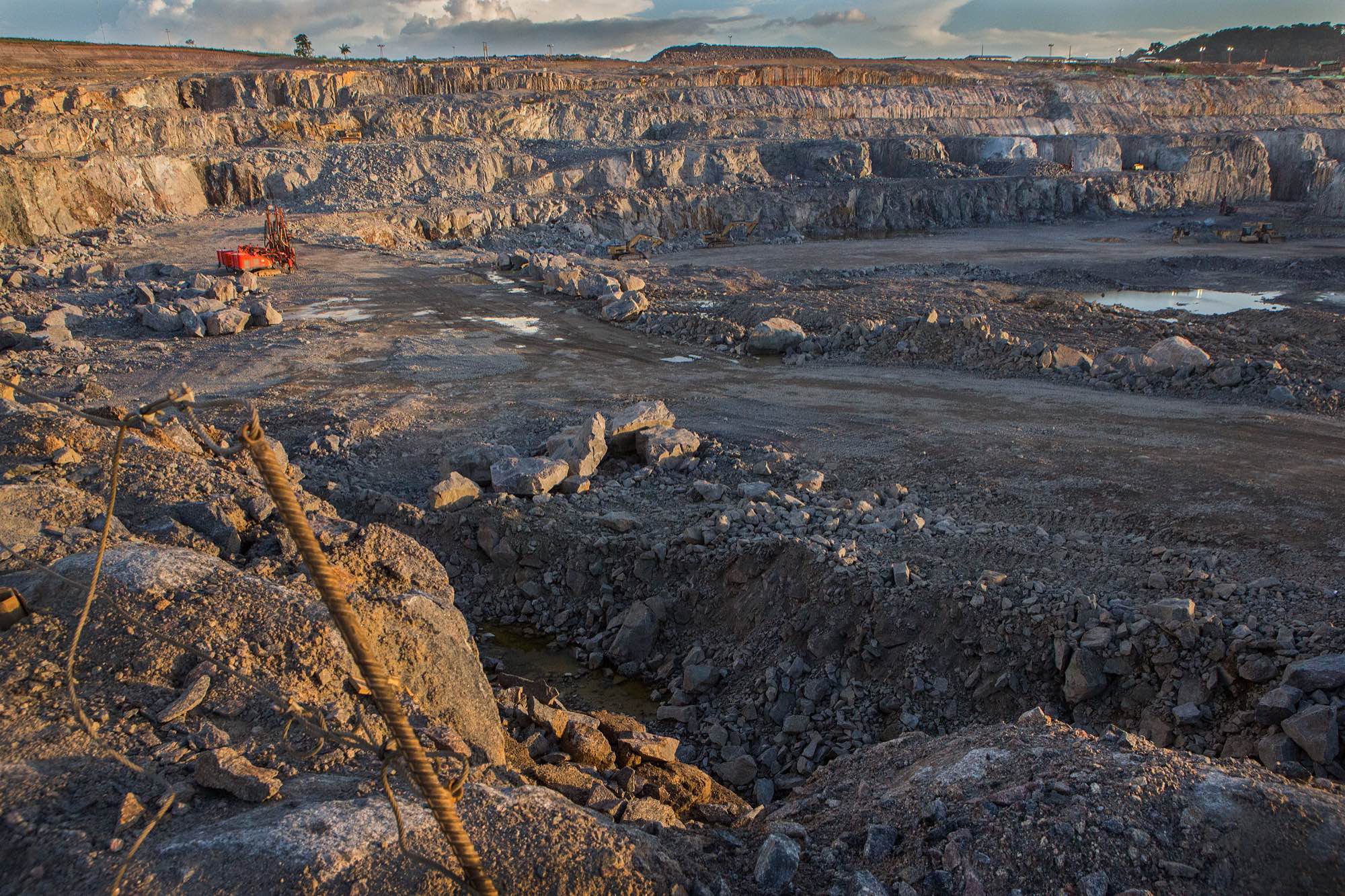
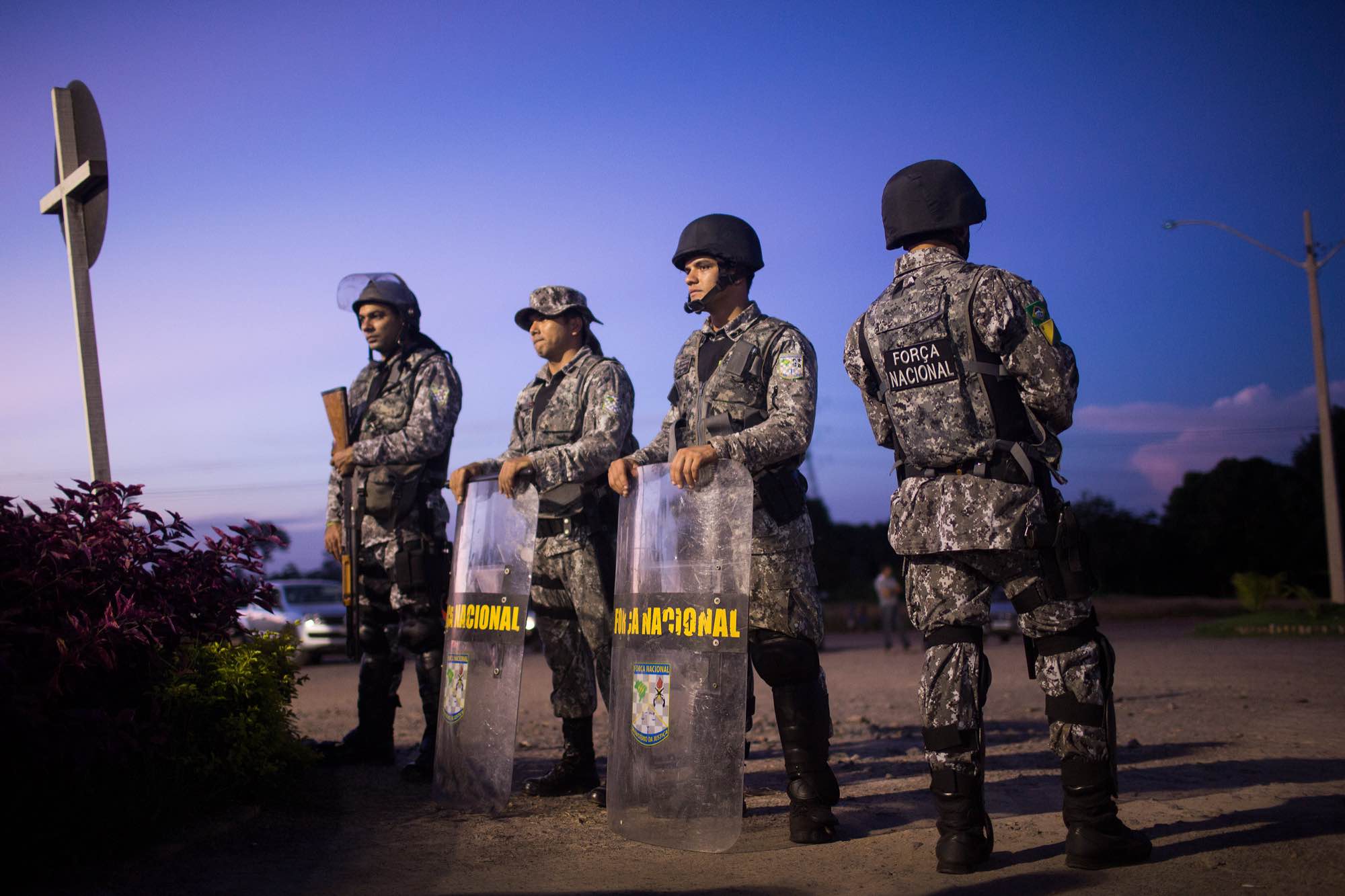
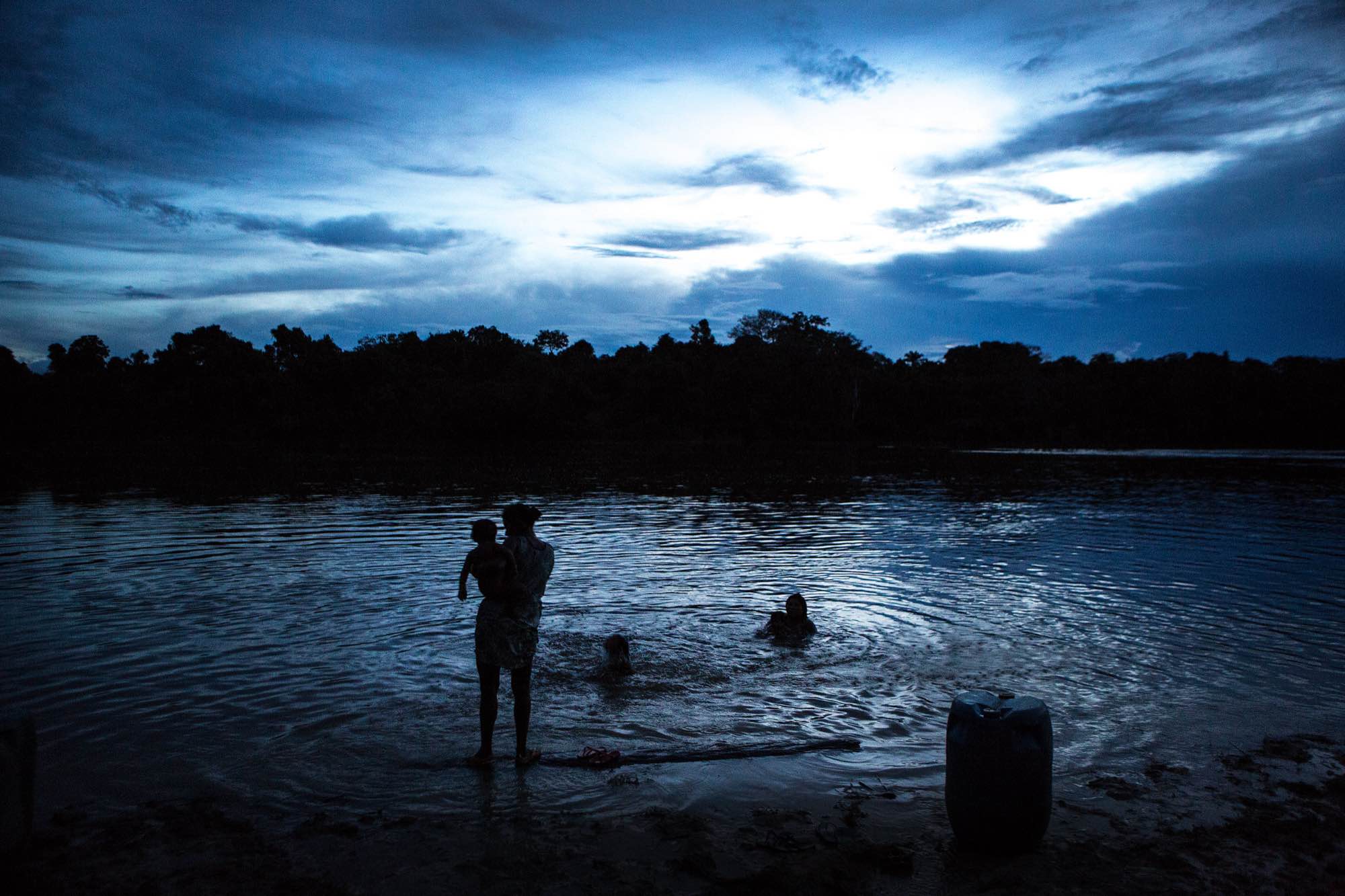
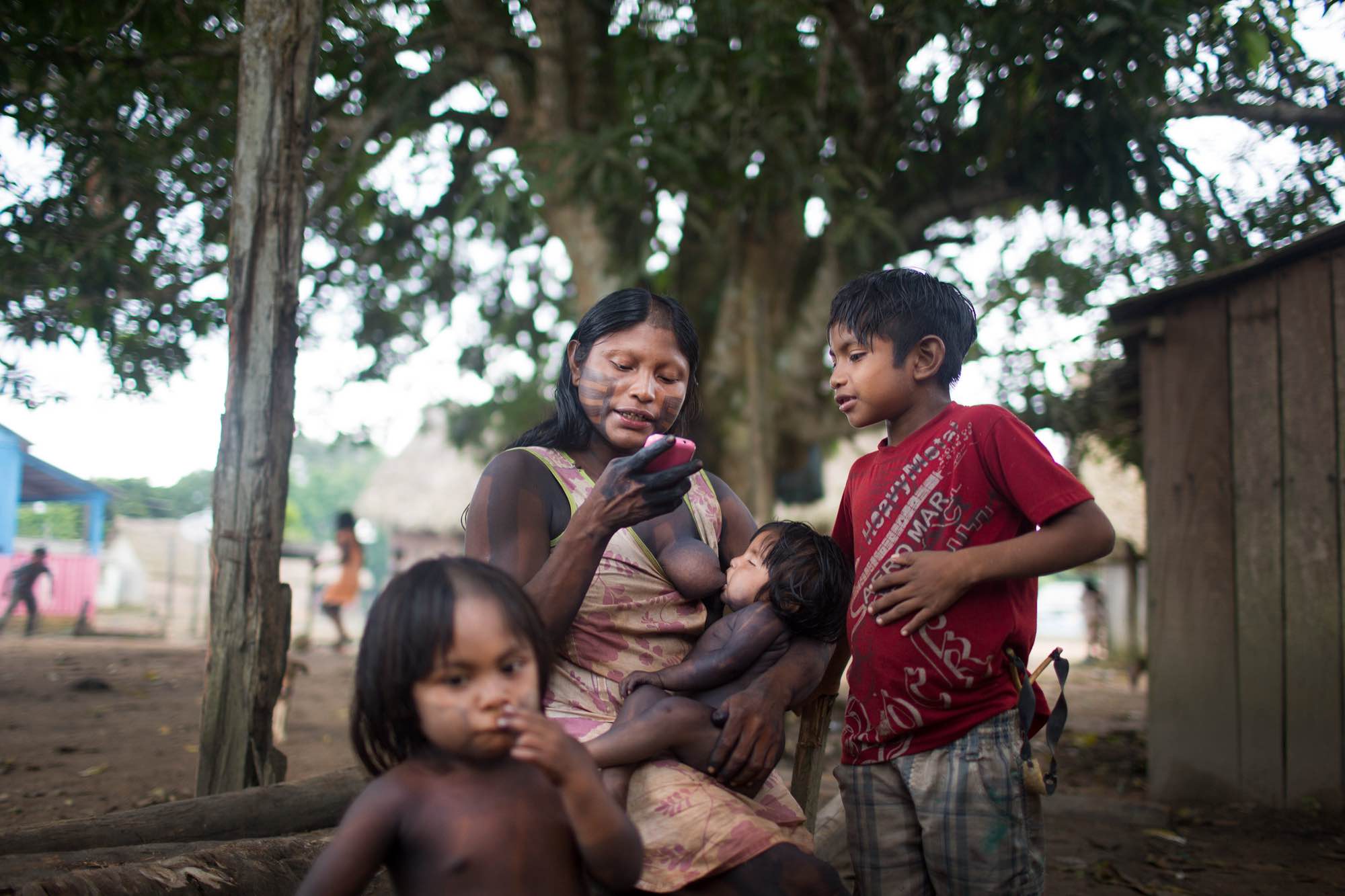
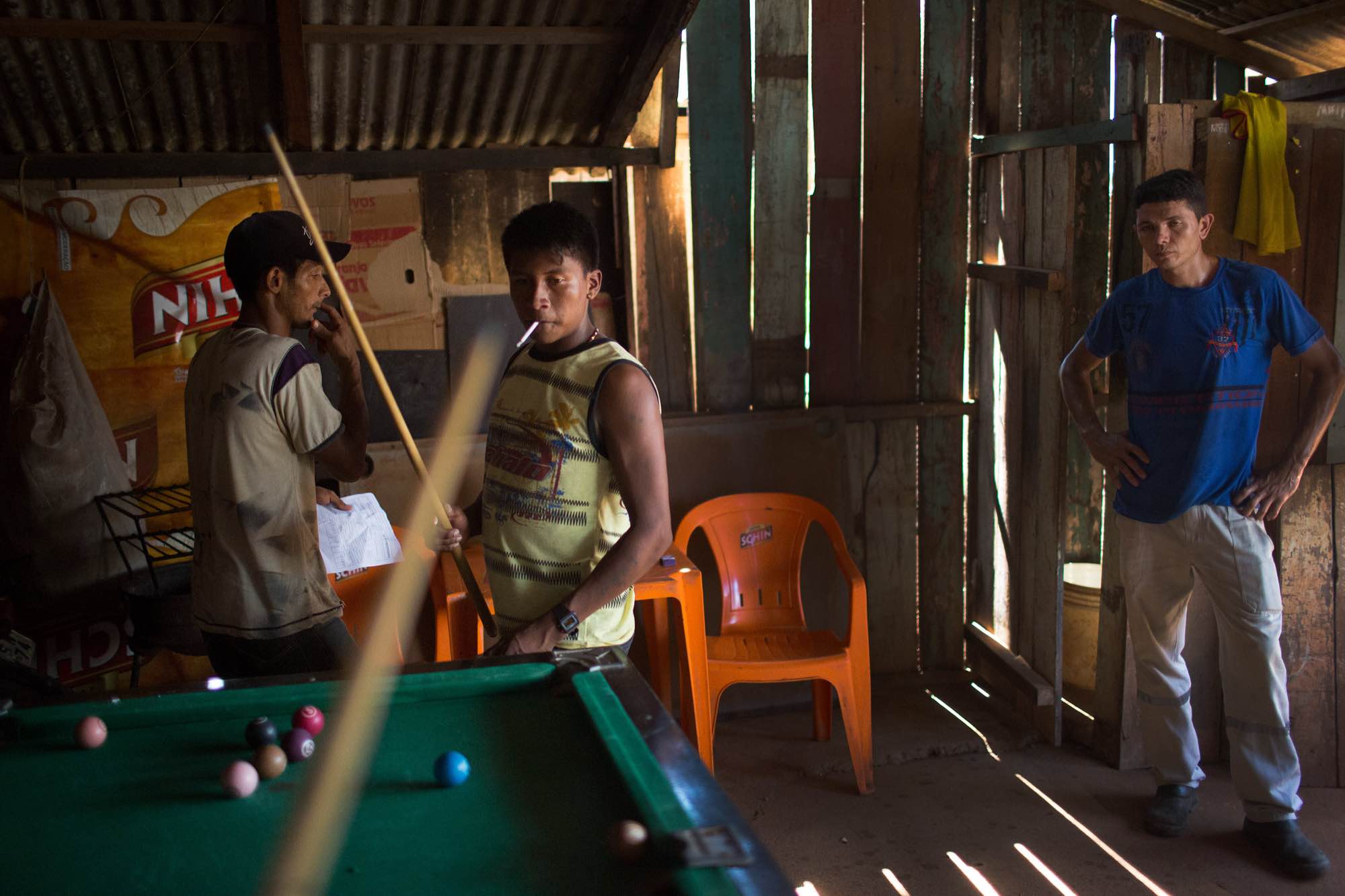
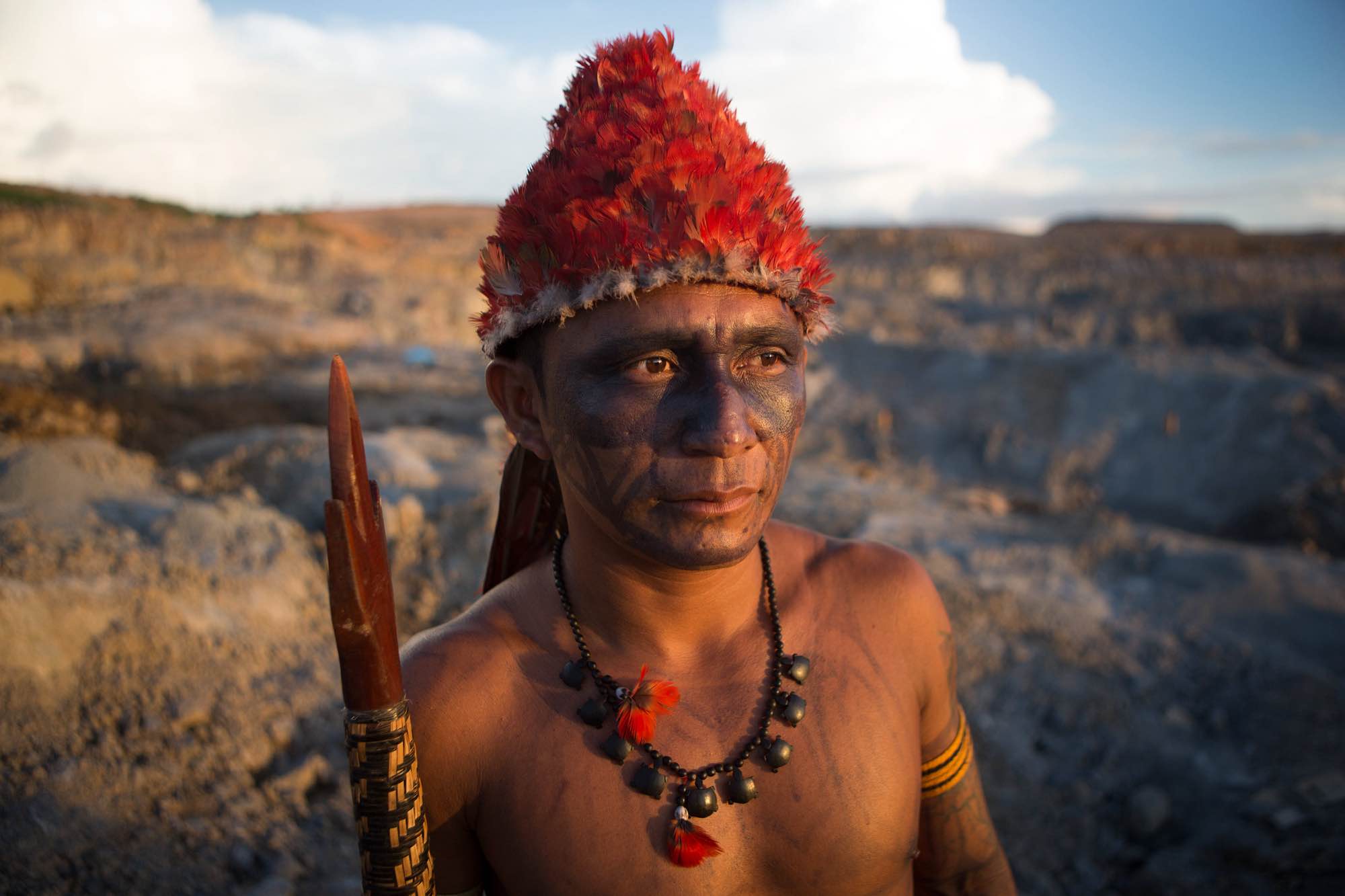
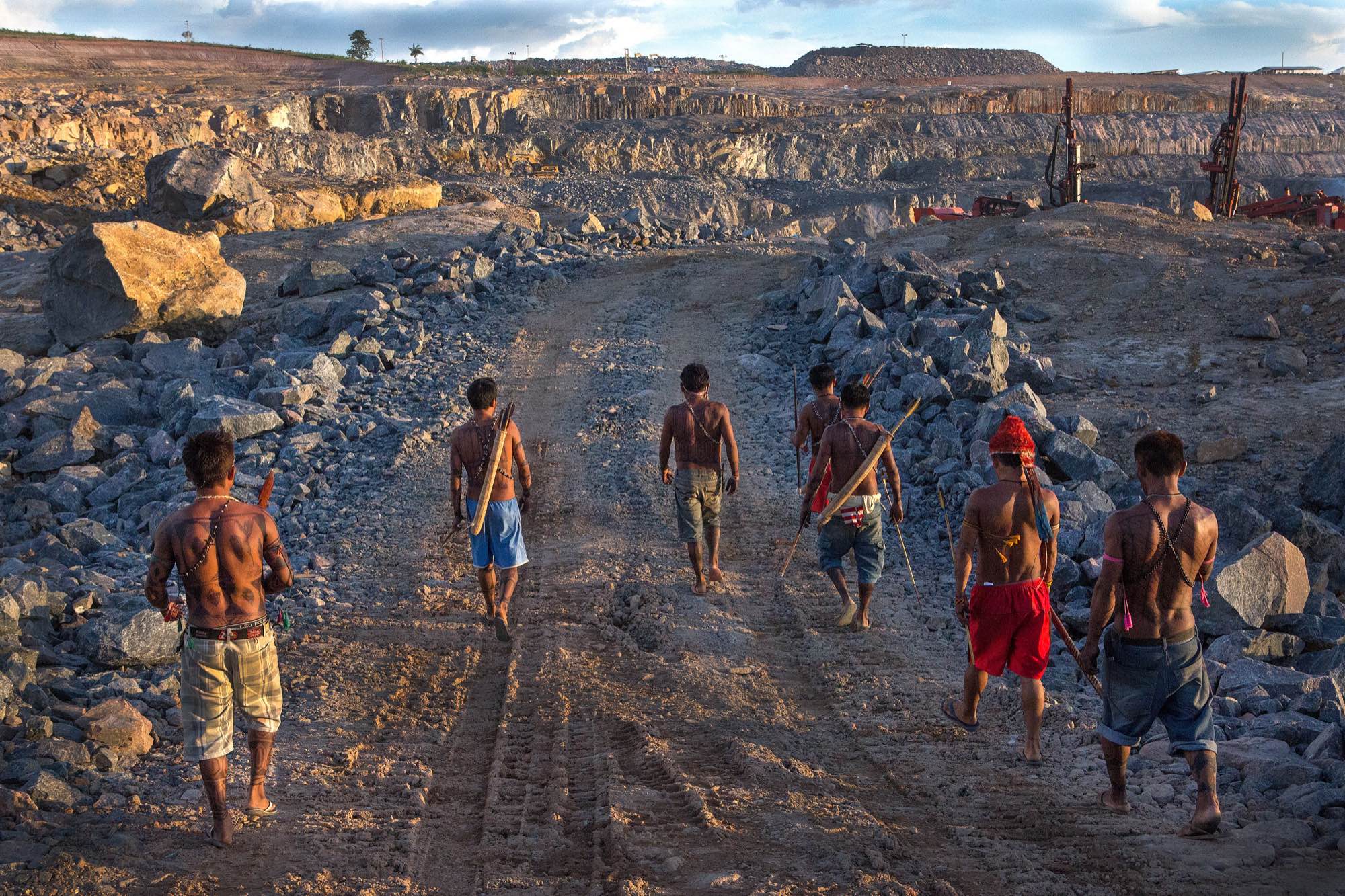
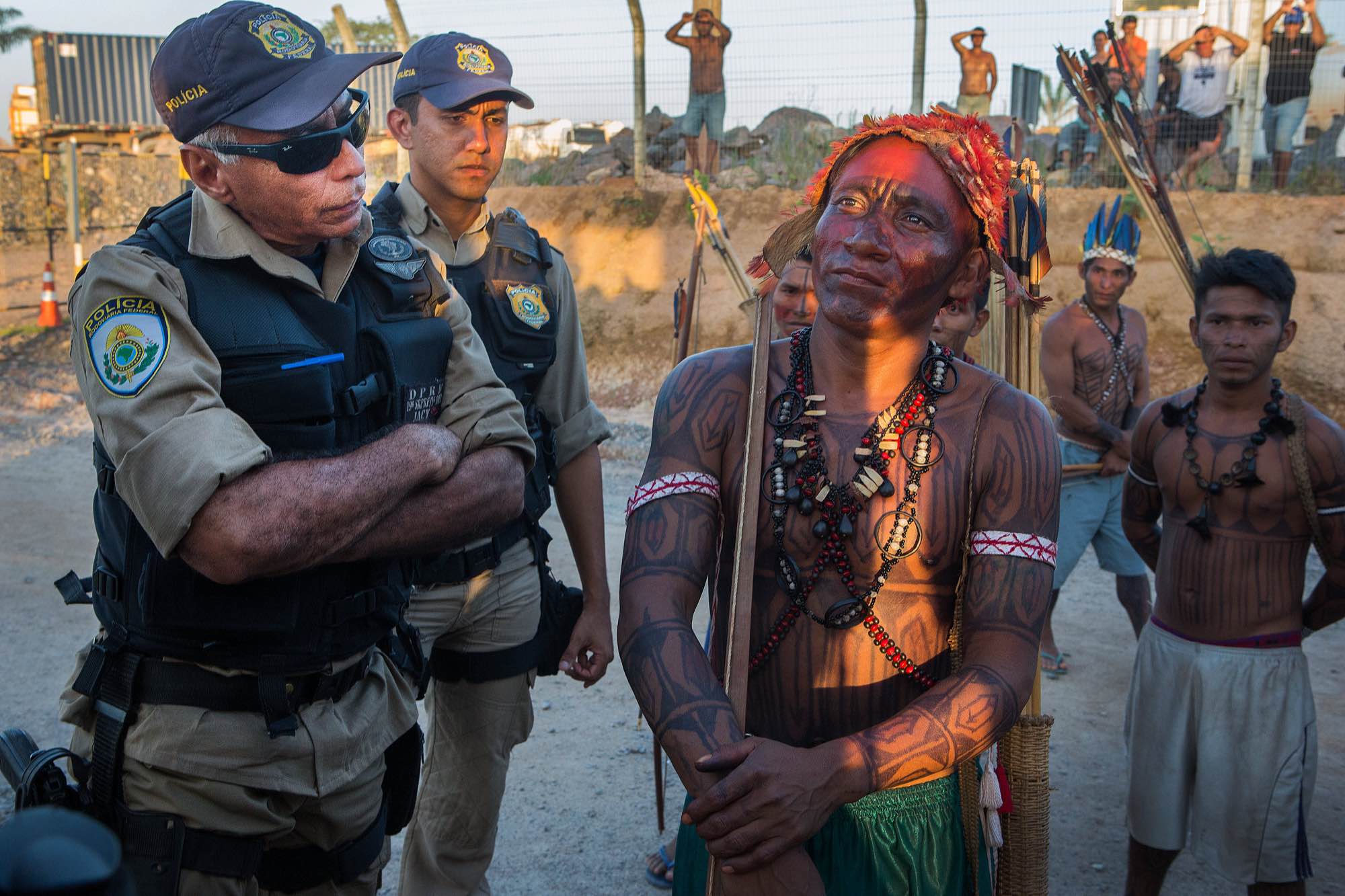
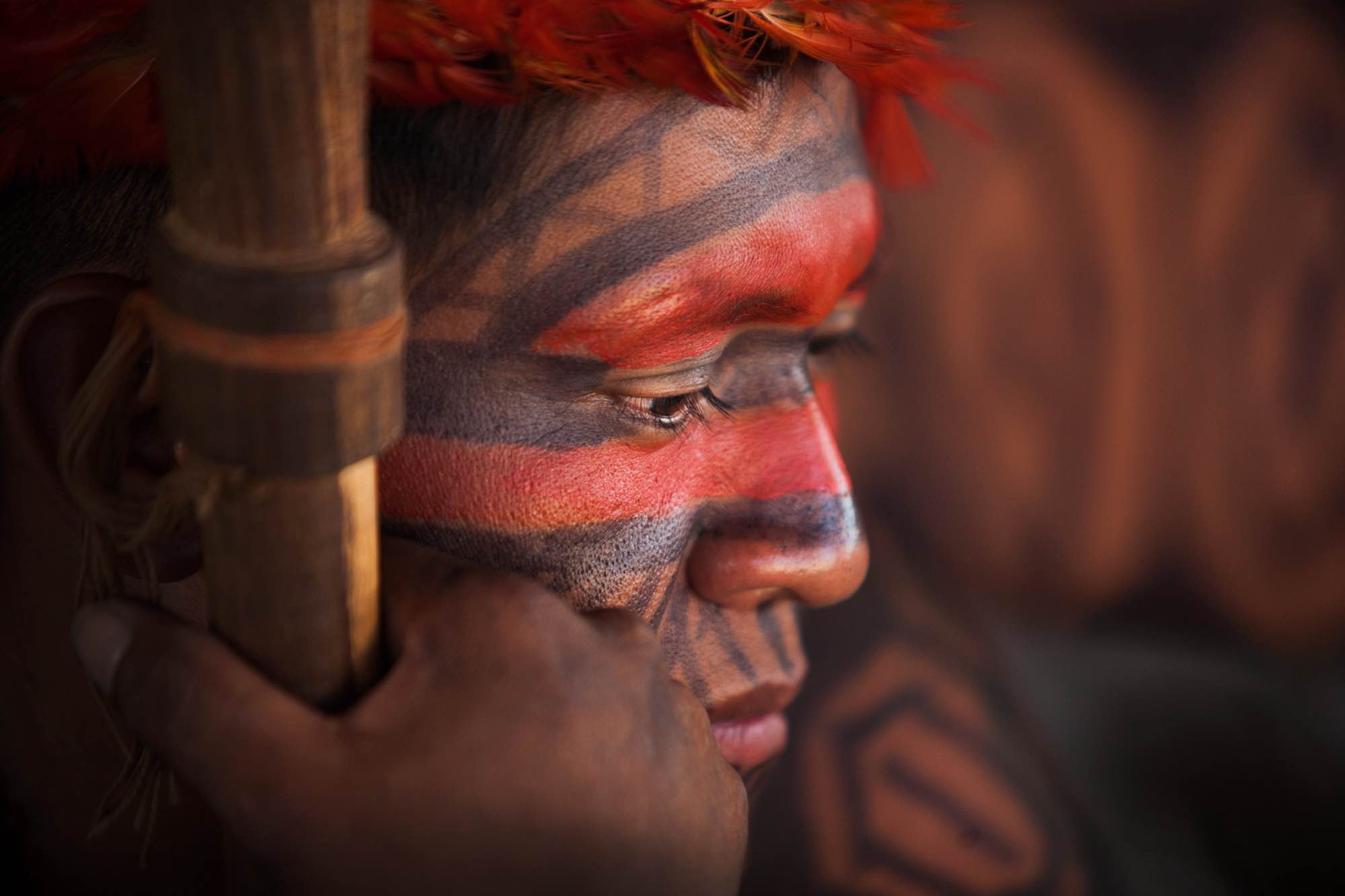
As construction of the legally disputed Belo Monte mega-dam reaches its peak, Amazonian tribes, local fishermen, and environmentalists are struggling to combat its disruptive social and environmental impacts. When complete, the Belo Monte will alter the ecosystem of more than 1,500 sq kilometers around the “Big Bend” of the Xingu River. Since construction began in June 2011, crime, violence, alcoholism, and prostitution have increased at the nearby city of Altamira, which is straining under the weight of a massively growing migrant population seeking work at the dam. Already, the dam has depleted fish stocks and limited river access to fishermen whose livelihoods depend on the river. The dam has been condemned by indigenous groups for over 20 years. And, as construction continues unabated, a new coalition of indigenous anti-dam protesters has emerged, unwilling to accept any type of remuneration, fearing that they are trading short-term gifts for their constitutionally guaranteed rights to live their traditional lifestyle. As Brazil’s largest and most controversial dam, Belo Monte sets a precedent for the Amazon and may foretell the fate of Brazil’s indigenous rights.